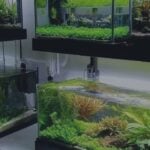
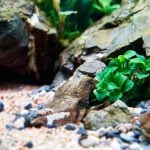
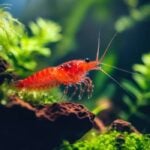
Live aquarium plants play a vital role in maintaining the health and clarity of aquarium water. They act as natural filters, absorbing harmful chemicals and providing oxygen for the fish. Here’s a detailed look at ten of the best plants for purifying aquarium water.
1. Anubias
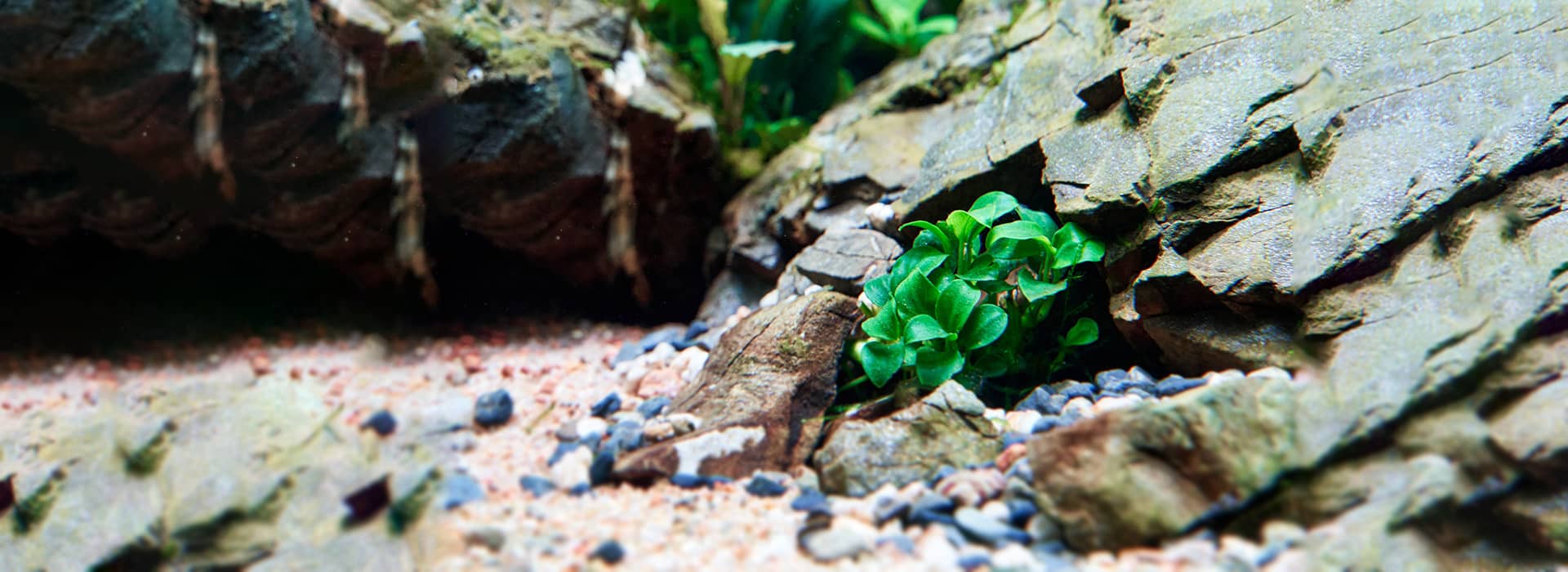
Anubias is a hardy plant that thrives in a variety of water conditions. It is excellent at absorbing nitrates and providing shelter for fish.
2. Java Fern
Java Fern is a popular choice for aquarists. It’s known for its ability to tolerate low light and its efficiency in absorbing toxins from the water.
3. Egeria
Egeria, also known as Elodea, is a fast-growing plant that competes with algae for nutrients, effectively reducing its growth.
4. Hygrophila
Hygrophila is a versatile plant that adapts well to different water conditions. It’s particularly good at absorbing heavy metals from the water.
5. Vallisneria
Vallisneria, with its long ribbon-like leaves, is not only aesthetically pleasing but also a powerful plant for removing toxins.
6. Hornwort
Hornwort is a floating plant that does not require anchoring to the substrate. It’s a prolific oxygenator and nutrient absorber.
7. Water Wisteria
Water Wisteria has a unique lace-like appearance and is highly effective in absorbing ammonia and nitrates.
8. Duckweed
Duckweed is a small floating aquarium plant that acts as a nutrient sponge, rapidly purifying the water of excess nutrients.
9. Amazon Sword
The Amazon Sword is a larger plant that is great for creating a focal point in your tank. It’s also efficient at absorbing pollutants.
10. Cryptocoryne
Cryptocoryne comes in various species, all of which are known for their ability to improve water quality by removing nitrates and other toxins.
How Aquatic Plants Help Clean Up Aquarium Water?
Natural Filtration
Aquarium plants act as natural biofilters. They absorb various waste products, such as ammonia, nitrites, and nitrates, which are harmful to fish at high levels. Through their roots and leaves, plants take up these substances and use them for growth, effectively reducing the concentration of toxins in the water.
Oxygenation
Through photosynthesis, plants convert carbon dioxide into oxygen, providing aquatic life with the essential oxygen they need to survive. This is especially important in densely stocked tanks, where oxygen levels can quickly deplete.
Algae Control
Plants compete with algae for nutrients and light. A well-planted aquarium can minimise algae growth. The plants will outcompete them for resources, keeping your tank cleaner and clearer.
Common Mistakes to Avoid When Caring for Aquarium Plants
Caring for aquarium plants can be a rewarding part of the aquascaping hobby. But it also comes with its own set of challenges. Here are some common mistakes that aquarists make when caring for their underwater gardens:
1. Insufficient Water Changes
Water changes are crucial for maintaining a healthy aquarium environment. Neglecting them can lead to algae problems and poor plant health. Perform 30% water change per week for best results.
2. Overstocking the Aquarium
Adding too many fish can lead to excessive waste, which can harm both plants and fish. It’s important to maintain a balance between the number of fish and the capacity of the aquarium.
3. Not Planting Enough
A sparsely planted tank can take a long time to fill in. It gives algae the opportunity to thrive due to a lack of competition for light and nutrients. It’s best to plant densely from the start.
4. Overuse of Fertilizers
While fertilizers are essential for plant growth, too much can cause algae blooms and harm aquatic life. It’s important to follow the recommended dosages and observe plant response.
5. Incorrect Planting Techniques
Planting stems too far apart or not trimming them frequently enough can lead to leggy growth and poor aesthetics. Proper planting and maintenance are key for a lush aquascape.
6. Choosing the Wrong Plants
Not all plants are suitable for every aquarium. It’s important to select species that match the tank’s lighting, CO2, and nutrient conditions.
7. Neglecting Plant Maintenance
Regular trimming, pruning, and cleaning are necessary to keep plants healthy and prevent overgrowth. Neglected plants can become breeding grounds for algae and pests.
8. Inadequate Lighting
Light is essential for photosynthesis. Using the wrong type or intensity of light can hinder plant growth and promote algae.
9. Ignoring CO2 Levels
CO2 is another critical component for plant growth. Insufficient CO2 can lead to weak plants and algae issues. If your plants are struggling, consider a CO2 injection system.
Frequently Asked Questions
How do aquarium plants purify water?
Aquarium plants purify water through a process called phytoremediation. They absorb pollutants and convert carbon dioxide into oxygen, improving water quality and clarity.
How often should I add new plants to my aquarium?
It depends on the growth rate of your plants and the size of your aquarium. Generally, adding or replacing plants every few months can help maintain water quality.
Can I use tap water for my aquarium plants?
Yes, but it’s recommended to treat tap water with a water conditioner to remove chlorine and other chemicals that can harm plants and fish.
Do all aquarium plants need soil?
No, some plants like Anubias and Java Fern can be attached to rocks or driftwood. Others, like Hornwort and Duckweed, float freely.
How often should I trim my aquarium plants?
It depends on your plants’ growth rate. Regular trimming can help maintain their health and the tank’s cleanliness.
Do aquarium plants need fertilisers?
Some plants do benefit from fertilisers, especially in tanks with low fish populations.
How do I deal with algae in my planted aquarium?
Algae growth can be controlled by reducing light, maintaining water quality, and introducing algae-eating fish or snails.
Can plants survive in artificial lighting?
Yes, many aquarium plants can thrive under artificial lighting, provided it’s of the right spectrum and intensity.
Remember, the key to a healthy aquarium is balance. The right mix of plants, fish, and maintenance can create a thriving ecosystem that’s beautiful and beneficial for your aquatic friends.