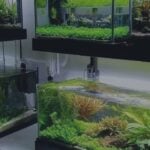
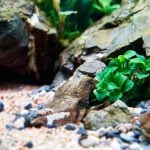
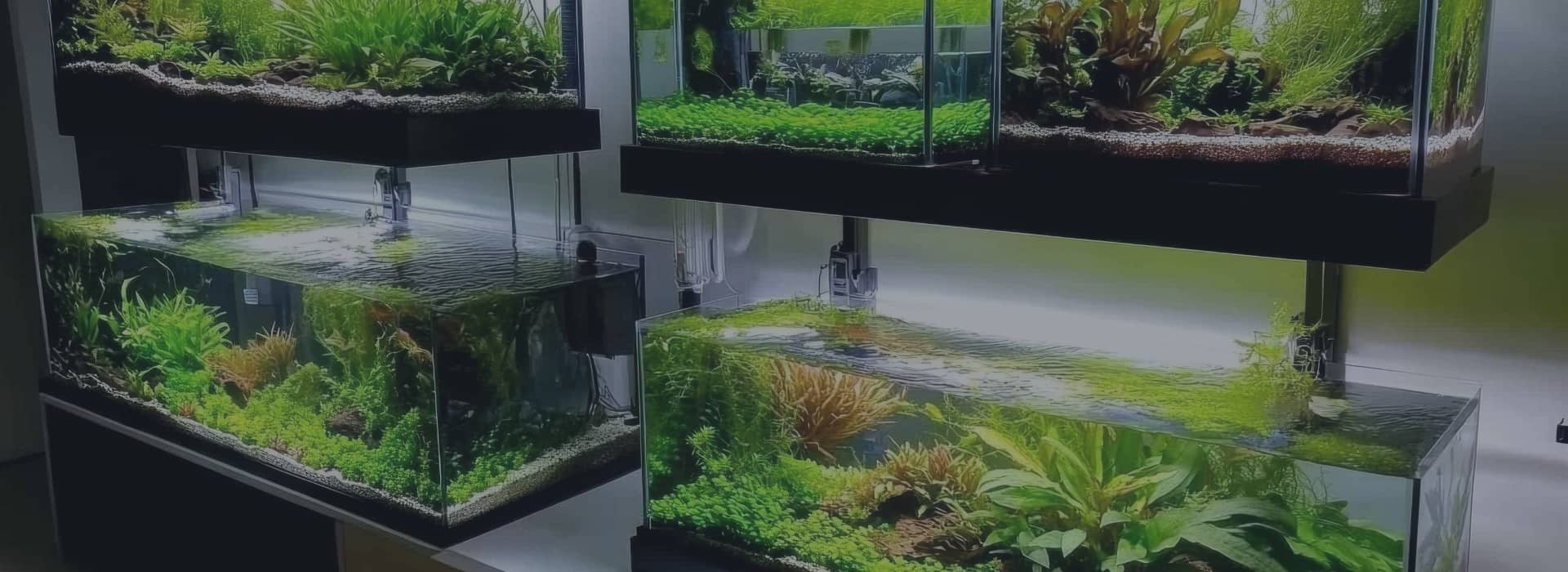
Planted aquariums can be a great addition to any living space. It is so cool to have your own living, breathing ecosystem with beautiful fish and lush plants.
There are plenty of options when it comes to aquarium plants. However, not all plants are the same, and if you are starting out, choosing the wrong set of plants can lead to a tank that is too demanding and ultimately ends up with dead and decaying plants. This can forever discourage you from keeping planted tanks.
Choosing the right plants will help you enjoy years of planted aquarium bliss and learn the more nuanced techniques needed to keep advanced plants as you go along.
Today, I will let you in on ten beginner-friendly aquarium plants I have handpicked based on my years of experience keeping planted tanks.
What Makes For A Great Beginner Plant
There are a few characteristics that can make a plant a good choice for a beginner:
- Ease of care: Look for plants that are relatively low maintenance and can thrive with minimal attention.
- Tolerance for a range of conditions: Choose plants that can tolerate various conditions, such as low light, different types of substrates, and fluctuating temperature and pH values. This will help ensure the plant can thrive even if you cannot provide ideal conditions.
- Low risk of pests and diseases: Look for plants resistant to pests and diseases, as these can be difficult for beginners to manage.
- Visually appealing: Choose plants that visually appeal to you, as this will help motivate you to care for them.
The 10 Best Beginner Aquarium Plants
1. Anubias
| Common Name | Anubias |
|---|---|
| Scientific Name | Anubias barteri is the most common |
| Native To | Central and Western Africa |
| Needs CO2 | No |
| Lighting | Low to moderate |
| Substrate | Not needed |
| Temperature | 72°F to 82°F (22°C to 28°C) |
| Size | 15 cm or 6 inches |
When I started out with planted tanks, Anubias was a name that kept being recommended. Many of its characteristics seemed unbelievable, but that is exactly why this is one of the best beginner plants for an aquarium.
Anubias are popular aquatic plants that are native to Africa. They are known for their hardiness and ability to thrive in a range of conditions.
Here are some tips for caring for Anubias:
- Lighting: Anubias plants can tolerate low to medium lighting, so they can be placed in a range of locations within an aquarium. However, they will not thrive in very bright lighting conditions unless high fertilization levels are provided along with CO2.
- Substrate: This is perhaps the coolest thing about this plant! Anubias plants can be grown either attached to a hardscape (such as a piece of driftwood or a rock) or planted directly in the substrate. If planting in the substrate, use a fine substrate and be sure not to bury the rhizome (bury only the roots and leave the rhizome on top of the substrate, as burying it may lead to rot).
- Water Parameters: Anubias plants prefer neutral to slightly acidic water with a pH range of 6.5-7.5. They can tolerate a wide range of water temperatures, but they prefer cooler water in the range of 72°F to 82°F (22°C to 28°C).
- Fertilization: Anubias plants do not require fertilization, but they can benefit from adding liquid fertilizers or CO2 injection if grown in brightly lit tanks.
- Maintenance: Anubias plants do not require frequent trimming, but you should remove any dead or damaged leaves when they appear. They are relatively slow growing, so they won’t need to be trimmed or divided as frequently as some other aquatic plants.
The best thing about these plants is that they will do perfectly fine in a tank with no substrate. They can be attached to anything including driftwood, décor, pebbles, rocks and pretty much anything it can be tied to with a cotton thread.
There are many different Anubias varieties, such as the nana, gigantea, and gracilis, which is why this wonderful plant offers such a wide range of options. These plants work best in clusters or groupings planted tanks or as centerpiece elements to your planted aquarium.
2. Java Fern
| Common Name | Java Fern |
|---|---|
| Scientific Name | Leptochilus pteropus |
| Native To | Indonesia, Malaysia, Thailand and parts of India and China |
| Needs CO2 | No |
| Lighting | Low to moderate |
| Substrate | Any non-toxic substrate will do |
| Temperature | 68°F to 82°F (20°C to 28°C) |
| Size | 35 cm or 13.5 inches |
Java fern is a popular aquatic plant that is native to Indonesia, Malaysia, Thailand and parts of India and China. It is commonly found in rivers, streams, and other bodies of water.
To care of Java Ferns, follow these tips:
- Lighting: Provide this plant with a medium to low-light environment. Intense lighting can lead to burn spots, which can become highly susceptible to infections.
- Substrate: The Java Fern is another aquatic plant that doesn’t care much about the substrate. It can be planted in almost anything. They can even be attached to driftwood and rough rocks like lava rocks, although having some substrate to spread their roots in is good.
- Water Parameters: The Java Fern can tolerate a wide range of water temperatures between 68°F to 82°F (20°C to 28°C). The pH levels can be between 6.0 and 7.5 and the water hardness between 2 and 15 dKH.
- Fertilization: The Java Fern can grow without any fertilizers, but adding a small dose of liquid fertilizer once a month will result in quicker and more lush growth. CO2 is not needed.
- Maintenance: Trim the plant as needed to maintain its desired shape and size. Java Fern can be prone to overgrowth, so it is important to keep it trimmed to prevent it from taking over the tank. If the leaves start melting, it means that there is either a lot of algae in the tank or there aren’t enough nutrients.
Java Ferns, once they are established in a tank will create a lush environment that is not only great to look at, but it also acts as a great shelter for the fish. It can be used as both a background and midground plant.
3. Amazon Sword
| Common Name | Amazon sword, Burhead |
|---|---|
| Scientific Name | Echinodorus |
| Native To | Amazon river basin |
| Needs CO2 | No |
| Lighting | Thrives in moderate to high lighting but can be grown in low light conditions as well |
| Substrate | Nutrient rich substrate |
| Temperature | 72°F to 82°F (22°C to 28°C) |
| Size | 30 cm or 12 inches |
Amazon swords are another popular beginner-friendly aquatic plants for freshwater aquariums. They are native to South America and can be found in a variety of habitats, including rivers, marshes, and swamps.
Here are some care tips for Amazon Sword plants:
- Lighting: Amazon swords prefer moderate to bright lighting. They can tolerate low light conditions but may not grow as well or as quickly.
- Substrate: Amazon sword plants can be grown in various substrates, including sand, gravel, and soil. They do best in a substrate that is rich in organic matter, such as a soil-based substrate mixed with root-tab fertilizers.
- Water Parameters: Amazon sword plants prefer a temperature range of 72°F to 82°F (22°C to 28°C). They also prefer a pH range of 6.5-7.5.
- Fertilization: Amazon sword plants will benefit from regular fertilization, especially if grown in soil. You can use liquid fertilizers or slow-release fertilizers to provide the necessary nutrients.
- Maintenance: Amazon sword plants may need to be occasionally pruned to keep them from getting too large or unruly, especially if the lighting is brighter.
Overall, the Amazon sword is perfect if you want to add a lot of volume without putting in much effort. It works great as both a background plant and a centerpiece plant. Once it establishes a proper root system throughout the substrate, you will have one of the most resilient plants in your aquarium.
4. Vallisneria
| Common Name | Eelgrass, Tape grass, Vals or Vallis, Wild-celery |
|---|---|
| Scientific Name | Vallisneria |
| Native To | Tropical regions of Asia, Africa, Europe, and North America |
| Needs CO2 | No |
| Lighting | Moderate |
| Substrate | Any non-toxic small-grain substrate |
| Temperature | 68°F to 82°F (20°C to 28°C) |
| Size | 40 cm or 16 inches |
Among the beginner-friendly aquatic plants, the Vallisneria is easily one of the prettiest and easiest to grow. Also known as eelgrass or tape grass, it is a hardy and easy-to-care-for aquatic plant that is found almost all around the world’s tropical and subtropical regions.
These plants can create a lush background, and the best part is that it doesn’t need CO2, fertilizers, or intense lighting. The only catch is that these delicate plants must be handled carefully. They also should be kept with compatible fish otherwise, you’ll be left with just the roots after a few hours.
To care for Vallisneria, follow these tips:
- Lighting: Moderate lighting is needed to get the best out of these plants. They will get by under low lighting but won’t grow as quickly.
- Substrate: One of the cool things about this plant is the way it propagates. It shoots runners through the substrate, which then produces new shoots. A sandy substrate or something that is similarly fine works well. It also makes planting these delicate plants easier. Adding a few root tabs is beneficial too.
- Water Parameters: These are hardy plants and can tolerate a wide range of water conditions. However, to achieve optimal growth, the water parameters should be steady. The temperature should be maintained between 68°F and 82°F (20°C and 28°C). Vallisneria prefers a pH range of 6.5 to 7.5.
- Fertilization: While not completely necessary, adding a few root tabs will ensure these plants’ quick and proper growth.
- Maintenance: Under the right conditions, this plant can grow very quickly and needs regular pruning. If not careful in smaller tanks, it can start to take over the tank, but I’ve founded pruning and pulling it out at the root is a simple process.
The slender leaves of these plants, especially in a gentle current, create a cool swaying effect in the background, which I find quite soothing.
5. Java Moss
| Common Name | Java Moss, Bogor moss |
|---|---|
| Scientific Name | Taxiphyllum barbieri |
| Native To | Southeast Asia |
| Needs CO2 | No |
| Lighting | Moderate |
| Substrate | Fine-grain substrate. Is more commonly attached to aquarium hardscape |
| Temperature | 60°F to 80°F (15°C to 27°C) |
| Size | 10 cm to 4 cm |
Finding great carpeting plants that are also easy to care for can be difficult, but Java Moss is the best option in this regard. It is readily available and can be attached to hardscape elements as well.
It is a popular plant for aquascaping in freshwater aquariums. It is relatively easy to care for and can thrive in various lighting and water conditions.
To care for Java Moss, follow these tips:
- Lighting: Java moss can grow in low to moderate lighting conditions but may grow more slowly in low light. To achieve a good carpet relatively quickly, medium to high lighting levels are needed.
- Substrate: This is one of those plants that can be planted in the substrate or attached to décor. This opens a world of aquascaping possibilities.
- Water Parameters: Java moss can tolerate a wide range of pH levels (from 5.5 to 8.0) and thrive in soft and hard water. They also do well in a wide range of temperatures from 60°F to 80°F (15°C to 27°C). It is important to maintain consistent water conditions in the aquarium to promote healthy plant growth.
- Fertilization: Java moss does not require fertilization, but it may benefit from adding liquid fertilizers or root tabs if the aquarium has low nutrient levels.
- Maintenance: As these plants grow slowly, pruning isn’t needed. However, their dense nature can lead to dirt build-up. This can be cleaned by regularly siphoning around the Java Moss. Algae is another problem associated with this plant and it can be kept under check by keeping algae-eating fish such as Chinese algae eaters and Amano shrimp.
Java Moss in the foreground and scattered around some of the décor creates a really distinguished look that is usually only found in high-end tanks.
6. Cryptocoryne
| Common Name | Crypts |
|---|---|
| Scientific Name | Cryptocoryne |
| Native To | Tropical waters of New Guinea, Indonesia, Malaysia, India, Sri Lanka, and Vietnam |
| Needs CO2 | No |
| Lighting | Moderate |
| Substrate | Nutrient-rich fine substrate |
| Temperature | 68°F to 82°F (20°C to 28°C) |
| Size | 30 cm or 12 inches |
Crypts represent a group of about 60 individual species, with about 20 of them quite common in the aquarium trade. All are easy to care for and come in colors other than green, such as red and pink (flamingo). This makes them great as centerpiece plants. Use them sporadically to create an excellent point of contrast in the aquarium
To care for Cryptocoryne, follow these tips:
- Lighting: Crypts can grow in low to moderate lighting conditions. This is a rarity for plants that have such brilliant and rare colourations.
- Substrate: These plants do need a nutrient-rich substrate. Something soil based with root tabs added is perfect for Crypts.
- Water Parameters: Crypts can be grown well in a wide range of water parameters. They can tolerate temperatures between 68°F and 82°F (20°C and 28°C). Crypts are adaptable to a wide range of pH levels (from 6.5 to 7.5) and can thrive in soft and hard water. Maintaining consistent water conditions in the aquarium to promote healthy plant growth is important.
- Fertilization: It is not necessary, but the addition of liquid fertilizers or root tabs won’t hurt.
- Maintenance: These plants don’t need any upkeep once established, which is perfect for a beginner tank.
The attractive broad leaves, growth rate, and ability to adapt to a wide range of water conditions make them an excellent choice for beginners, mainly because of their unique look. They make a fantastic showpiece in an aquascaped tank when clustered together.
7. Bucephalandra
| Common Name | Buce |
|---|---|
| Scientific Name | Bucephalandra |
| Native To | Indonesia |
| Needs CO2 | No |
| Lighting | Low |
| Substrate | Not necessary |
| Temperature | 70°C to 82°F (21°C to 28°C) |
| Size | 25 cm or 10 inches (maximum) |
The Bucephalandra is one of the most beautiful plants on this list. It comes in a variety of deep colors with beautiful specks and subtle patterns. These are also one of the few easy-to-care plants that can also be grown partially submerged, such as in a paludarium.
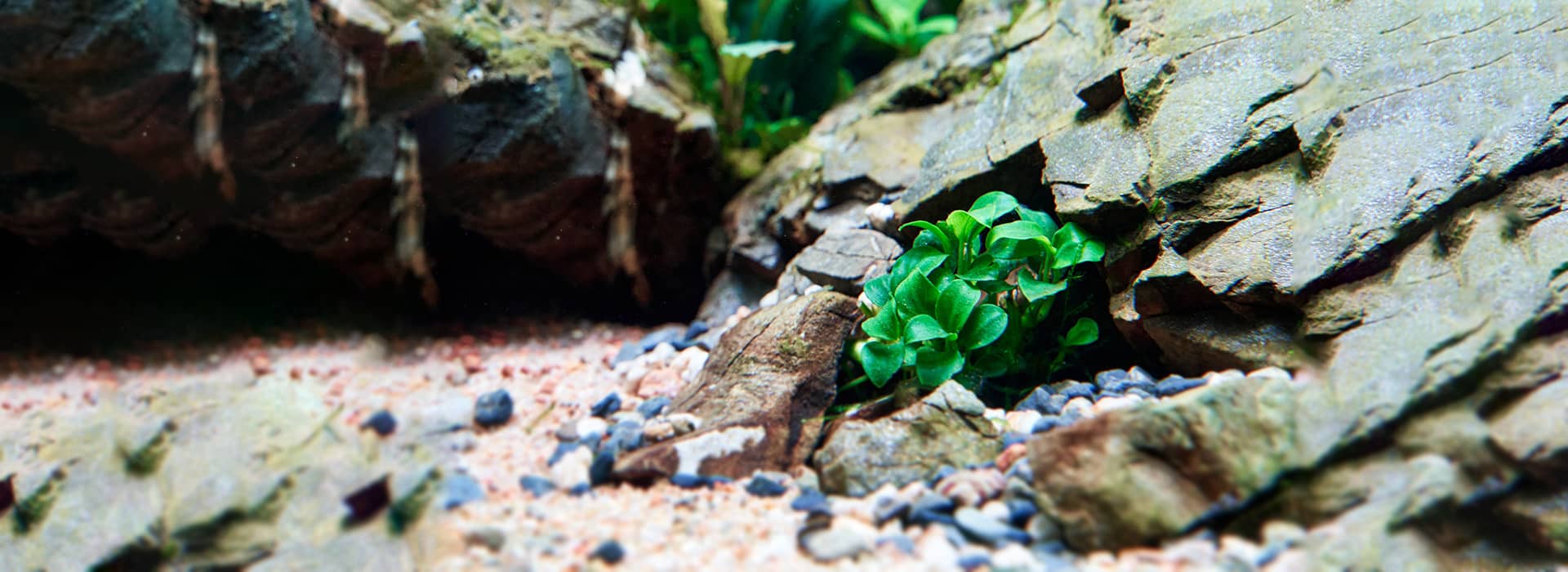
Buce does great with low lighting and does not need CO2 or fertilizers. They can be planted in the substrate with the rhizome showing but are more commonly attached to hardscape elements such as rocks.
To care for Bucephalandra, follow these tips:
- Lighting: Despite how it looks, this plant actually does well in low light. Stronger lighting may lead to slightly faster growth, but it also brings with it many problems that put it beyond the reach of a beginner hobbyist.
- Substrate: They can grow in almost any type of substrate as long as the rhizomes aren’t completely buried. They can also be attached to décor using a cotton thread, fishing line or aquascaping glue.
- Water Parameters: Buce are adaptable plants, can tolerate a wide range of temperatures and pH levels (from 6.0 to 7.5), and can thrive in soft and hard water. Low water current and steady conditions offer the ideal environment for these plants to do well.
- Fertilization: Bucephalandra does not require fertilization, although the occasional dosing with liquid fertilizers does lead to faster growth.
- Maintenance: Since these are slow-growing plants, they can be prone to algae infestations. Keeping the tank well-maintained and adding algae-eating fish will help combat algae.
Almost everything about Bucephalandra is excellent except for its price. It is less readily available than the other plants on this list and, therefore, can be pricey, but they are worth it. Just a single Bucephalandra can make an aquarium highly attractive.
8. Ambulia
| Common Name | Ambulia, Asian Marshweed |
|---|---|
| Scientific Name | Limnophila sessiliflora |
| Native To | India, China, Japan and the Philippines |
| Needs CO2 | No |
| Lighting | Low |
| Substrate | Any fine substrate |
| Temperature | 68°F to 86°F (20°C to 30°) |
| Size | 30 cm or 12 inches |
The Ambulia was one of the first plants I managed to grow successfully with little effort and could propagate across multiple tanks. It showed me that keeping live plants can be simple. It is the easiest plant you can keep in an aquarium. Its bright green coloration adds a lot of punch to any aquarium.
The best part about this plant is how easy it is to propagate. It is as simple as breaking a piece of a tall Ambulia and planting it elsewhere. If you can get only one plant, then get this one.
To care for Ambulia, follow these tips:
- Lighting: Low to medium lighting is more than enough for this plant. Avoid strong lighting, as these plants will grow too quickly and take over the tank.
- Substrate: Any fine substrate will work well for Ambulia. Just be careful when planting as these plants are delicate.
- Water Parameters: As long as the water is well oxygenated and the temperature is between 68°F and 86°F (20°C and 30°), and the pH is between 6 and 8, these plants won’t face any problems.
- Fertilization: This is one plant that will do really well without any fertilization.
- Maintenance: Pruning and replanting really tall stems is all the maintenance needed with these plants.
The distinctive, fan-like leaves and tall, slender stems of this plant make it great in the background. It can also be planted in a single spot to create a lush, bushy appearance. It needs very little care while being a beautiful and natural-looking addition to any aquarium.
9. Marimo Moss Balls
| Common Name | Marimo, Moss balls, lake balls |
|---|---|
| Scientific Name | Aegagropila linnaei |
| Native To | Japan and Northern Europe |
| Needs CO2 | Not compulsory |
| Lighting | Low |
| Substrate | Not needed |
| Temperature | 60°F to 80°F (15°C to 27°C) |
| Size | 10 cm or 4 inches |
This is the most unique plant on this list. Technically, it is a type of algae that grows in the form of balls. They don’t need any substrate. Just toss them in, and you are good to go. They can catch detritus and waste particles with time, leading to discolouration but keeping them in a properly cycled and well-filtered tank will prevent this from happening.
They are hardy and very easy to propagate, and their unique appearance offers a lot of creative freedom for the aquascaping hobbyist.
To care for Marimo Moss Balls, follow these tips:
- Lighting: Moss Balls grow naturally at depths where there isn’t a lot of light. In the aquarium, low to moderate lighting will be enough.
- Water Parameters: A temperature range of 60°F to 80°F (15°C to 27°C) and a pH level between 6.5 and 7.5 is a good place to start. Moss Balls do really well in slightly cooler temperatures. If your tank needs to be maintained at a higher temperature, the Moss Balls should be taken out once a week and doused in ice-cold water overnight.
- Fertilization: Marimo moss balls do not require fertilization, but they do benefit from regular water changes. It is recommended to replace about 20% of the water in the tank every week to keep the water clean and well-oxygenated.
- Maintenance: Marimo moss balls should be handled gently and rolled between your palms every week or so to keep them round and prevent them from getting too compacted. They can also be divided into smaller balls if they become too large, which is exactly how you can propagate them.
Moss Balls are easily the most unique plant you can get for an aquarium. They serve particularly well as a shelter for shrimps and fish fry. Their low-maintenance nature makes them a win-win all around.
10. Hornwort
| Common Name | Hornwort, Coontail |
|---|---|
| Scientific Name | Ceratophyllum |
| Native To | Found on all continents except Antarctica |
| Needs CO2 | No |
| Lighting | Low to moderate |
| Substrate | Can be floated or planted in any type of substrate |
| Temperature | 59°F to 86°F (15°C to 30°C) |
| Size | 3 metres (118 inches) |
I’ll finish off with the most adaptable plant you can get. The Hornwort is so adaptable, in fact, that it can now be found naturally occurring in all the continents except Antarctica. In some places like New Zealand, it has become such a menace that it has been banned. So, check your local laws before getting this plant.
They demand very little, and even with low levels of lighting and no CO2 or fertilizers, they can grow several inches every week.
To care for Hornwort, follow these tips:
- Lighting: Hornwort can tolerate a wide range of lighting conditions but keeping it low is the best strategy to keep their growth manageable.
- Substrate: Hornwort really doesn’t care about the substrate and will grow in anything it can be planted in. It can also be floated without any substrate.
- Water Parameters: Hornwort can thrive in a range of water temperatures, from 59°F to 86°F (15°C to 30°C). The pH levels can be between 6.0 and 8.0. Hornwort is easily the most adaptable plant and can be grown in everything from ponds to highly specialized aquariums.
- Fertilization: Fertilization is not needed for Hornwort.
- Maintenance: Hornwort can grow very quickly and will need to be pruned regularly to maintain its desired size and shape. Simply snip off any excess growth with scissors.
Hornwort can be a great addition to any freshwater aquarium, provided it is legal to keep as per the local laws.
Frequently Asked Questions
Is A Freshwater Clam Ok Around Plants In My Aquarium?
Yes
How To Anchor Aquarium Plants?
Aquarium plants can be planted in the substrate, but if you want something more solid, tie it down to a small piece of rock with a cotton thread or use aquarium glue to fix the plant to a décor element.
Do I Need Flourish For Planted Aquariums?
For most of the plants mentioned here, using Flourish isn’t necessary, but it can lead to faster growth. However, be careful as it can also promote algae growth around slower-growing plants.
How To Setup A Planted Aquarium?
Follow our guide here.
Where To Buy Aquarium Plants?
Aquarium plants are readily available in local fish stores. They can also be bought online and shipped to your home. I’ve done this and found the quality of the plants very good. I was also able to find quite rare plants this way that weren’t available in my local aquarium stores.
How To Keep Live Plants In An Aquarium?
Live plants generally need a well-maintained tank with a healthy substrate, a good filtration system and a heater.
How To Plant Carpet Seeds In An Aquarium?
Carpet seeds can be planted in a variety of substrates, including sand, gravel, or nutrient-rich soil. Make sure the substrate is clean and free of any debris. Sprinkle the carpet seeds evenly over the substrate. You can either scatter them randomly or plant them in rows.
Lightly cover the seeds with a thin layer of substrate, about 1/4 inch deep. This will help keep the seeds in place and protect them from being disturbed by fish or invertebrates in the tank.
How To Sterilize Aquarium Plants?
Here are the three common ways to sterilize aquarium plants:
- Quarantine: Quarantine the plants in a separate container for a few weeks before introducing them into the tank. This will give any pests or diseases time to manifest, allowing you to treat the plants before they are added to the main tank.
- Dip method: One of the most effective ways to sterilize plants is to dip them in a solution of water and hydrogen peroxide. The solution should be made with one part hydrogen peroxide to nine parts water. Soak the plants in the solution for about 15 minutes, then rinse them thoroughly with clean water before planting them in the tank.
- Bleach method: Another option is to use a solution of water and bleach to sterilize the plants. Mix one part bleach with nine parts water and soak the plants in the solution for about 15 minutes. Be sure to rinse the plants thoroughly with clean water after soaking them to remove any remaining bleach residue.
If you have particularly delicate plants the quarantine method is the best one to use.
How To Get Aquarium Plant Red?
The Bucephalandra and Cryptocoryne are two beginner-friendly plants that can add a splash of red to the aquarium
How To Clean Silk Aquarium Plants?
Silk aquarium plants can be an attractive and low-maintenance alternative to live plants. However, they do need to be cleaned occasionally. Taking it out, rinsing, gentle scrubbing, drying, and adding it back to the aquarium is the way to go.
How Much Light Do Aquarium Plants Need?
It depends on the plant. Beginner-friendly plants will do just fine with low to medium levels of lighting.
How To Grow Plants In An Aquarium?
Providing the right amount of lighting and a good setup is a good start. Adding some fertilizer will further boost growth.
How To Clean Aquarium Plants With Vinegar?
Add one part of vinegar to 9 parts of water. Dip the plants for 15 minutes. Rinse the plants properly with clean water after that.
How To Clean Algae Off Plastic Aquarium Plants?
Gentle scrubbing will do the trick.
How To Clean Live Aquarium Plants?
Live aquarium plants do not need cleaning. A properly maintained tank will result in clean-looking plants.
How long do aquarium plants take to establish?
Depends on the plant. Fast-growing plants can establish themselves in a matter of days. Slow-growing plants can take up to a month.
Where can I buy plants for my aquarium near me?
Check out your local pet or aquarium store.
What is needed for plants in a tropical aquarium?
Lighting, substrate, and the occasional fertilizer
What light for a 55-gallon low-tech planted aquarium?
It mostly depends on the plants in the tank. A light that provides 0.5-1 Watts per gallon of water is good enough for the plants mentioned here.
What soil is best for aquarium plants?
Any soil specifically designed for use in aquariums. It is usually made from a mixture of peat, clay, and other organic materials, and it is rich in nutrients and beneficial bacteria
What lights are best for aquarium plants?
Broad spectrum LED lights from a reputable brand is the best option.
How to plant an aquarium for beginners?
Choose a plant or group of plants that are easy to care for and have a rapid rate of growth.
How to keep algae off aquarium plants?
Make sure that the lighting isn’t too strong and the tank is properly maintained with regular water changes.
How to increase KH in planted aquariums?
You can use a commercial KH-increasing product, a buffer solution, or a calcium supplement
What are the top five easiest plants for aquariums?
Java Moss, Java Fern, Abubias, Moss Balls, Vallisneria.
Is it good to have a lot of plants in aquarium?
It depends on the fish, but plants do help maintain a healthy ecosystem in the tank.
How many hours a day do aquarium plants need?
About 8 hours a day.
What plants oxygenate a fish tank?
All green plants will oxygenate the tank when the lights are on.
What is the fastest-growing aquatic plant?
Hornwort.
Are plastic or silk aquarium plants better?
They can offer a great look at almost no hassles, but they won’t grow and keep the aesthetics evolving like live plants do.
Are fish happier with live plants?
Fish that have a lot of plants in their natural habitat, like guppies and bettas, will enjoy live plants.
To Sum Things Up!
Beginners can create stunning planted aquariums, and these ten plants prove that. Live plants are a great addition to their tanks, as they provide a natural habitat for fish and other aquatic creatures, improve water quality, and add beauty to the aquarium. With proper care and attention, live plants can be a rewarding and enjoyable addition to any aquarium.
I owe my entire journey in the hobby to these plants. They made it clear that this hobby offers something beautiful for everyone, including beginners. These plants offer a great jumping-off point to a lifelong source of joy and satisfaction.