When it comes to aquascaping, the focus is often on creating stunning visual landscapes and filtration is given a lot of importance. When looking for filters for an aquascape, one option often gets overlooked: the humble sponge filter.
Despite their simplicity and unassuming appearance, sponge filters play a vital role in maintaining a healthy and thriving aquascape. They can be a powerful ally in maintaining water quality, providing mechanical and biological filtration, and promoting the overall well-being of your aquatic ecosystem.
This guide will explore why sponge filters are often forgotten in aquascaping and how they can save the day. We will delve into the benefits they offer, their functionality, and why they should be an essential part of your aquascape toolkit.
From their gentle flow and ability to trap debris to their capacity for hosting beneficial bacteria, sponge filters offer numerous advantages that can contribute to the success of your aquascaping endeavours. Irrespective of your level of expertise, understanding the role of sponge filters will empower you to create a more balanced and thriving aquatic environment.
Benefits of Sponge Filters:
Sponge filters are commonly used in aquariums due to several benefits they offer. Here are some of the advantages of using sponge filters:
- Biological Filtration: Sponge filters provide effective biological filtration in aquariums. The porous structure of the sponge serves as a home for beneficial bacteria, which play a crucial role in breaking down harmful toxins like ammonia and nitrites into less harmful nitrates.
- Gentle Water Flow: Sponge filters produce a gentle water flow compared to other filtration systems, such as power filters or canister filters. This feature is especially beneficial for aquariums housing delicate or young fish, as well as for breeding tanks. The slower flow rate reduces the risk of fish being sucked into the filter and creates a less stressful environment.
- Mechanical Filtration: The sponge material of the filter also acts as a mechanical filter, trapping debris, uneaten food, and other particulate matter suspended in the water. This helps to maintain clearer water.
- Oxygenation: Sponge filters provide excellent oxygenation in the aquarium. As water is drawn through the sponge, it creates surface agitation, increasing oxygen and carbon dioxide exchange. This is particularly important in aquariums with low oxygen levels or for fish that require high levels of dissolved oxygen, such as Bettas and some species of catfish.
- Cost-Effective: Sponge filters are relatively inexpensive compared to other filtration systems. They are affordable to purchase and require minimal maintenance.
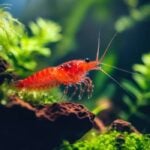
- Safe for Fry and Shrimp: Sponge filters are highly suitable for aquariums housing fry (baby fish) and shrimp. The sponge material provides a safe surface for fry to graze on and prevents them from being sucked into the filter. Shrimp can also cling to the sponge to feed on microorganisms and detritus.
- Ease of Use and Setup: Sponge filters are easy to install and maintain. They usually consist of a sponge attached to a plastic tube connected to an air pump. The simplicity of the design makes them user-friendly for beginners in the aquarium hobby.
It’s worth noting that sponge filters may not be suitable for all types of aquarium setups or tanks with high bioloads. Depending on your specific needs, a combination of filtration methods may be required.
Suitable Aquascape Styles for Sponge Filters:
Depending on their design and placement, sponge filters can be incorporated into various aquascape styles. Here are some aquascape styles that are well-suited for sponge filters:
- Natural or Nature Aquarium: The natural or nature aquarium style aims to replicate a natural aquatic ecosystem. It often features a combination of live plants, driftwood, and rocks. Sponge filters can be hidden among the plants or positioned behind hardscape elements like rocks and wood, ensuring they are not visually prominent while still providing effective filtration.
- Iwagumi: Iwagumi is a minimalist aquascape style that typically focuses on the arrangement of rocks to create a sense of harmony and balance. Sponge filters can be discreetly placed behind or between the rocks to maintain water quality without disrupting the overall aesthetic.
- Moss or Carpet Aquascape: Moss-dominated or carpet-style aquascapes rely heavily on the growth of low-growing carpeting plants or mosses. Sponge filters are gentle on the moss, allowing them to grow without disruptions.
- Paludarium or Riparium: These styles combine an aquatic environment with a terrestrial section. In such setups, sponge filters can be positioned in the aquatic section of the tank, hidden behind plants or decorative elements.
- Shrimp or Nano Tanks: Sponge filters are popular choices for shrimp tanks or small nano aquariums due to their gentle water flow and safety for delicate invertebrates.
Remember that the key is to position the sponge filter in a way that maintains its functionality while minimizing its visual impact on the aquascape. Concealing the sponge filter behind plants, rocks, or other decorative elements will help integrate it seamlessly into the overall design.
Ease Of Setup And Use Of Sponge Filters
Sponge filters are known for their ease of setup and use. Here are the reasons why sponge filters are considered user-friendly:
- Simple Design: Sponge filters have a straightforward design that consists of a sponge attached to a plastic tube or lift tube. The sponge serves as the primary filtration media, while the tube connects to an air pump to create water flow. This simplicity makes them easy to understand and assemble.
- No Complicated Plumbing: Unlike other types of filters, such as canister filters or sump systems, sponge filters do not require complex plumbing or installation. You don’t need to worry about hoses, valves, or priming. Simply connect the tube to an air pump, place the sponge filter in the aquarium, and you’re good to go.
- Minimal Maintenance: Sponge filters have relatively low maintenance requirements. Regular maintenance typically involves rinsing the sponge in aquarium water to remove debris and accumulated waste. Avoid using tap water or chlorinated water, as it can harm the beneficial bacteria residing in the sponge. The sponge can be easily cleaned and re-used many times before needing replacement, reducing ongoing costs.
- Easy to Clean and Replace: If the sponge becomes overly clogged or deteriorates over time, it can be easily replaced with a new sponge without the need for complex disassembly or parts replacement. Simply remove the old sponge and attach a new one to the filter’s plastic tube.
- Adjustable Air Flow: Sponge filters allow you to adjust the air flow using an air pump. This feature enables you to customise the water flow and oxygenation levels based on the needs of your specific aquarium setup.
- Versatility: Sponge filters can be used in various types of aquarium setups, including freshwater, saltwater, shrimp tanks, breeding tanks, and hospital/quarantine tanks. They are compatible with different sizes of aquariums and can be easily adapted to suit your specific needs.
Overall, the straightforward design and user-friendly nature of sponge filters make them a convenient and hassle-free option for filtration in aquariums.
Sponge Filters in Nano and Small Aquascapes:
Sponge filters are particularly well-suited for nano and small aquascapes due to their compact size, gentle water flow, and efficient filtration capabilities. Here’s why sponge filters are a popular choice for these setups:
- Size Compatibility: Nano and small aquascapes often have limited space, and traditional filters may be too large or visually obtrusive. Sponge filters come in various sizes, including small ones specifically designed for nano tanks. Their compact size makes them ideal for fitting into these smaller aquariums without taking up much space or compromising the overall aesthetics.
- Gentle Water Flow: Sponge filters provide a gentle water flow compared to other types of filters. This is crucial in nano and small aquascapes, as strong currents can easily disturb or stress delicate plants and small aquatic organisms. The gentle water flow produced by sponge filters ensures a comfortable environment for the inhabitants while maintaining adequate filtration.
- Excellent Biological Filtration: Sponge filters offer effective biological filtration, which is essential for maintaining water quality in nano and small aquascapes. The porous structure of the sponge provides a large surface area for beneficial bacteria to colonize and break down harmful toxins. Despite their compact size, sponge filters can still provide sufficient biological filtration for the smaller volume of water in these setups.
- Safe for Shrimp and Fry: Nano and small aquascapes often house shrimp and fry, which are more sensitive to water flow and currents. Sponge filters are a safe option for these delicate creatures.
- Easy Maintenance: Sponge filters are easy to maintain, which is especially advantageous in nano and small aquascapes where space constraints may make maintenance tasks more challenging. Cleaning or replacing the sponge is a simple process, and it can be done without disrupting the entire setup.
- Cost-Effective: Sponge filters are cost-effective options. They are affordable to purchase, and the recurring costs are very low. This makes them budget-friendly choices, particularly for hobbyists with smaller setups.
In short, sponge filters provide a reliable and efficient filtration solution without taking up too much space or adversely affecting the delicate inhabitants of these setups.
Combining Sponge Filters with Other Filtration Methods:
Combining sponge filters with other filtration methods can provide enhanced filtration and water quality in aquariums. Here are a few ways you can incorporate sponge filters with other filtration methods:
- Sponge Filter as a Pre-Filter: You can use a sponge filter as a pre-filter in conjunction with another filtration system, such as a power filter or canister filter. Place the sponge filter in the aquarium to serve as the initial filtration stage. Its sponge will trap larger debris, preventing them from clogging or reducing the efficiency of the main filter. This setup helps extend the lifespan of the primary filter media and reduces maintenance frequency.
- Sponge Filter for Biological Filtration: While sponge filters excel at biological filtration, they may have limited capacity in heavily stocked aquariums or setups with a high bioload. In such cases, you can combine a sponge filter with another biological filter, such as a canister or fluidised bed filter. The sponge filter will provide additional surface area for beneficial bacteria to grow, complementing the biological filtration capacity of the other filter.
When combining different filtration methods, consider the specific needs of your aquarium, including the bioload, tank size, and the requirements of the organisms you are keeping. Additionally, regular monitoring of water parameters is crucial to ensure that the combined filtration system adequately maintains water quality.
Misconceptions About Sponge Filters
There are a few misconceptions surrounding sponge filters in aquariums. Let’s address some of them:
- Sponge filters are ineffective: This is a common misconception that sponge filters are not as effective as other filtration systems. While sponge filters may not provide the same level of mechanical or chemical filtration as some other filter types, they excel in biological filtration. The porous sponge material provides a large surface area for beneficial bacteria to colonize and break down harmful toxins, making them highly effective in maintaining good water quality.
- Sponge filters are only suitable for small tanks: While sponge filters are indeed well-suited for small tanks and nano aquariums, they can also be used in larger setups. You can either use multiple sponge filters or combine them with other filtration methods to ensure adequate filtration for larger tanks. Sponge filters are versatile and can be adjusted to suit various tank sizes and bioloads.
- Sponge filters are visually unattractive: Some people believe that sponge filters are unattractive and can detract from the overall aesthetics of an aquarium. However, sponge filters can be easily concealed behind plants, rocks, or other decorative elements, making them less noticeable. Additionally, various sizes and designs of sponge filters are available, including ones designed specifically for aesthetic purposes, such as ones disguised as rocks or plants (although these tend to be more expensive).
- Sponge filters require frequent cleaning: Another misconception is that sponge filters require frequent cleaning, leading to more maintenance. While the sponge does need occasional rinsing to remove debris and waste build-up, it does not require frequent cleaning or frequent replacement like filter media in some of the other types of aquarium filters.
- Sponge filters are noisy: It’s true that improper setup or air leaks can result in noise from the air pump associated with the sponge filter. However, sponge filters can operate quietly with proper installation and regular maintenance. Ensuring that the air pump is positioned correctly and checking for any air leaks in the tubing can help minimise or eliminate noise issues.
By debunking these misconceptions, it becomes clear that sponge filters are effective, versatile, and practical filtration options for a wide range of aquarium setups. They provide valuable biological filtration, are adaptable to different tank sizes, and can be visually integrated into the aquascape.
Troubleshooting and Common Concerns:
While sponge filters are generally reliable and user-friendly, there can be a few common concerns. Here are some of them, along with possible solutions:
- Insufficient Water Flow: If you notice a decrease in water flow from the sponge filter, it could be due to a clogged sponge. Over time, debris and waste can accumulate in the sponge, restricting water flow. To resolve this, remove the sponge from the filter and rinse it in aquarium water to dislodge any accumulated debris. Avoid using tap water or chlorinated water, as it can harm the beneficial bacteria. If rinsing doesn’t solve the issue, the sponge might be too worn out and require replacement.
- Noisy Operation: Sometimes, sponge filters can produce noise, particularly if the air pump is not properly positioned or if there are air leaks. Ensure that the air pump is placed on a stable surface and that the airline tubing is properly connected. Check for any cracks or leaks in the tubing and replace it if necessary. You can also try adjusting the air flow to reduce noise. If the noise persists, it could indicate a faulty air pump that may need to be replaced.
- Poor Water Quality: If you notice deteriorating water quality despite using a sponge filter, it could be due to insufficient biological filtration or an overstocked tank. Check the sponge filter to ensure it’s adequately sized for your tank’s bioload. If necessary, consider supplementing the sponge filter with additional filtration methods or upgrading to a larger sponge filter.
- Floating Sponge: In some cases, the sponge filter might float up from its designated position due to trapped air bubbles or insufficient weight at the base. To address this issue, ensure that the sponge is properly weighted or secured at the bottom of the aquarium using a suction cup, weight, or other suitable means. Additionally, you can gently squeeze the sponge under water to release trapped air bubbles that might be causing the floating.
- Inadequate Filtration for Large Tanks: Sponge filters may not provide sufficient filtration for large aquariums or tanks with a high bioload. In such cases, consider using sponge filters in conjunction with other filtration methods like canister filters or power filters to achieve adequate filtration and maintain water quality.
If you encounter any persistent issues with your sponge filter or have concerns about its performance, it’s always beneficial to consult with experienced aquarists or seek advice from aquarium forums or local fish stores.
FAQ
What is a sponge filter?
A sponge filter is a type of aquarium filter that uses a sponge as the primary filtration media. It works by drawing water through the sponge, which acts as a mechanical and biological filter.
How does a sponge filter work?
Sponge filters work through a combination of mechanical and biological filtration. The sponge acts as a mechanical filter, trapping debris and waste particles suspended in the water as it passes through the sponge. Additionally, the sponge provides a large surface area for beneficial bacteria to colonize, which helps in the biological filtration process by breaking down harmful ammonia and nitrite into less toxic nitrate.
What are the benefits of using a sponge filter?
Sponge filters have several advantages:
- They provide gentle water movement, making them suitable for delicate or small aquarium inhabitants, such as fry (baby fish) or shrimp.
- They are cost-effective and easy to maintain.
- They offer a good surface area for beneficial bacteria to grow, enhancing the biological filtration capacity.
- They can be used as a supplemental filter in addition to other filtration systems or as the primary filter in small tanks.
How often should I clean a sponge filter?
The frequency of cleaning a sponge filter depends on the bio-load of the aquarium. Generally, cleaning the sponge when it becomes visibly dirty or when there is a noticeable decrease in water flow is recommended. Rinse the sponge in dechlorinated water and gently squeeze it to remove accumulated debris. Avoid using tap water as it may contain chlorine or chloramine, which can harm beneficial bacteria.
Can I use a sponge filter in a saltwater aquarium?
Yes, sponge filters can be used in both freshwater and saltwater aquariums. However, they are more commonly used in freshwater setups due to their lower flow rates and suitability for smaller tanks. In larger saltwater aquariums, sponge filters may be used in combination with other filtration systems to provide supplemental biological filtration.
Can I use a sponge filter as the sole filtration system in my aquarium?
Sponge filters are best suited for small aquariums or as supplemental filters in larger tanks. They may not provide sufficient filtration for heavily stocked or larger aquariums on their own. In such cases, it’s advisable to use a sponge filter in combination with other filtration systems like power filters, canister filters, or protein skimmers for optimal water quality.
How do I choose the right size of sponge filter for my aquarium?
The size of the sponge filter depends on the volume of water in your aquarium and the bio-load (number and size of fish). Manufacturers usually specify the suitable tank sizes for their sponge filters. Choosing a sponge filter rated for a slightly larger tank size than yours is recommended to ensure adequate filtration.
Conclusion
Sponge filters offer efficient mechanical and biological filtration, gentle water movement, and easy maintenance at an affordable price. Their versatility and suitability for various aquarium sizes and inhabitants make them a popular choice among hobbyists. Whether you have a small tank or need supplemental filtration in a larger setup, a sponge filter is a reliable and effective option for maintaining a healthy aquatic environment.