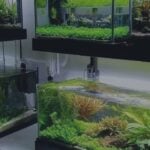
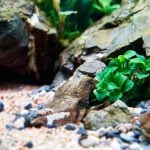
Welcome to the comprehensive guide on planting and growing Dwarf Hair Grass! Whether you’re an aquarium enthusiast, a passionate aquascaper, or a beginner looking to add a touch of vibrant green to your tank, Dwarf Hair Grass is an excellent choice.
This aquatic plant is cherished for its delicate appearance and remarkable ability to form lush green carpets. With its slender, grass-like blades and compact growth habit, this versatile plant adds a touch of natural beauty and creates a captivating underwater landscape.
In this guide, we will delve into the essential aspects of planting and growing Dwarf Hair Grass, providing you with the knowledge and techniques to successfully cultivate and maintain this stunning plant in your aquarium.
Overview of Dwarf Hair Grass
| Scientific name | Eleocharis parvula |
| Size | 5 to 10 cm (2 to 4 inches) |
| Colour | Vibrant green, providing a fresh and natural look to the aquarium |
| Native to | Native to North America, particularly found in regions with moist, sandy, or muddy substrates |
| Placement | Carpet-forming plant |
| Tank Setup | Versatile plant that is adaptable to various tank setups, making it suitable for both nano and larger aquariums |
| Growth Rate | High growth rate |
| Lighting Needs | Low to moderate lighting requirements |
Suitable Tank Conditions:
Creating the ideal tank conditions is crucial for the successful cultivation of Dwarf Hair Grass. By providing the right environment, you can ensure healthy growth, vibrant colouration, and the formation of a lush carpet.
Ideal tank size and shape for Dwarf Hair Grass:
Dwarf Hair Grass can adapt to various tank sizes and shapes, making it a versatile choice for aquarists. However, there are a few considerations to keep in mind:
- Tank size: While Dwarf Hair Grass can thrive in both small and large aquariums, a larger tank typically offers more stability in terms of water parameters and allows the plant to spread and form a dense carpet more easily. A tank with a capacity of 38 litres or 10 gallons or larger is recommended for successful growth.
- Tank shape: The horizontal spreading nature of Dwarf Hair Grass makes it well-suited for longer tanks with a larger surface area. Rectangular or square-shaped tanks provide ample space for the plant to spread out and form a carpet. However, it can also be cultivated in smaller tanks or tanks with non-standard shapes with proper care and maintenance.
Water parameters for optimal growth:
Maintaining appropriate water parameters is essential for the health and vitality of Dwarf Hair Grass. Consider the following factors:
- Temperature: Dwarf Hair Grass thrives in tropical temperatures ranging from 21°C to 28°C (70°F to 83°F). Keeping the water temperature within this range ensures optimal growth.
- pH level: The ideal pH range for Dwarf Hair Grass is slightly acidic to neutral, between 6.0 and 7.5. This range supports nutrient absorption and encourages healthy growth.
- Hardness: Moderate to slightly hard water with a general hardness (GH) of 3-8 dGH is suitable for Dwarf Hair Grass. Avoid extremely soft or hard water, as it may affect the plant’s overall health and growth.
Lighting requirements for Dwarf Hair Grass:
As is the case with most aquarium plants, proper lighting is crucial for photosynthesis and the overall well-being of Dwarf Hair Grass. Consider the following guidelines:
- Light intensity: Dwarf Hair Grass requires moderate to high lighting levels. A minimum of 2 to 3 watts per gallon is recommended for fluorescent lighting, or an equivalent level for LED lighting. This ensures that the plant receives sufficient light energy for photosynthesis and growth.
- Duration: Provide a photoperiod of 8 to 10 hours per day. Maintain a consistent lighting schedule to prevent imbalances in the tank’s ecosystem.
- Light spectrum: Opt for a light spectrum in the range of 5000K to 7000K, which closely resembles natural daylight. This spectrum promotes healthy growth and enhances the vibrant green colouration of Dwarf Hair Grass.
Remember to regularly monitor and adjust these conditions based on the needs of your specific tank and the health of the plants.
Planting Techniques:
Proper planting techniques lead to successful establishment and growth of Dwarf Hair Grass in your aquarium.
Choosing the right substrate for Dwarf Hair Grass:
The substrate you choose plays a vital role in providing anchorage, nutrient retention, and supporting the growth of Dwarf Hair Grass. Consider the following factors when selecting a substrate:
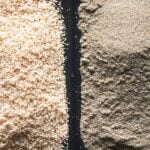
- Fine-grained substrate: Opt for a fine-grained substrate such as aquarium soil, fine sand, or specialised planting substrates designed for aquatic plants. These substrates provide stability and allow the plant’s roots to penetrate easily.
- Nutrient-rich substrate: Dwarf Hair Grass benefits from a nutrient-rich substrate. Look for substrates that contain essential nutrients like iron, potassium, and trace elements to promote healthy growth.
- Depth: Aim for a substrate depth of around 4 to 5 cm (1.5 to 2 inches) to ensure proper anchorage and support for the plant’s roots.
Planting methods (carpeting, grouping, etc.):
There are different methods for planting Dwarf Hair Grass, depending on the desired effect and the look you want to achieve in your aquascape:
- Carpeting method: This is the most commonly used planting method for this plant. To create a lush carpet effect, plant Dwarf Hair Grass in small clumps or individual stems, spacing them evenly across the substrate. Over time, the plants will send out runners and spread horizontally to form a carpet. Planting densely initially will help in achieving quicker coverage. Don’t plant them too close together.
- Grouping method: Instead of a uniform carpet, you may prefer a more natural look with grouped clusters of Dwarf Hair Grass. Plant several stems together in small groups, leaving some space between the groups to allow for growth and spread.
- Pathway or focal point method: Create pathways or focal points by planting Dwarf Hair Grass in a specific pattern or arrangement. This method involves planting the grass in a linear or curving design to define paths or draw attention to a particular area of the aquarium.
Tips for preventing floating or uprooting of Dwarf Hair Grass:
Once planted, it’s essential to prevent floating or uprooting of Dwarf Hair Grass to ensure its successful growth. Consider the following tips:
- Gentle water flow: Ensure that the water flow in your tank is not too strong, as it can uproot the delicate Dwarf Hair Grass. Position filter outlets suitably or adjust flow rates to minimise any disruption to the plants.
- Secure roots: When planting Dwarf Hair Grass, gently press the roots into the substrate to ensure good contact and prevent floating. You can also use tweezers to anchor the plant’s roots into the substrate for added stability. Don’t overdo this as it can permanently damage the plants.
- Patience during filling: If you’re adding water to a newly planted tank, do so carefully and slowly to avoid disturbing the substrate and uprooting the plants. Use a dish or a plate to diffuse the water flow and minimise disturbance.
With proper care, you’ll soon witness the beautiful transformation of your aquarium into a captivating underwater landscape. Avoid the temptation to get the carpet look right away by planting too many plants together. This will cause them to suffocate and die away. Be patient and wait for the carpet to form on its own.
Maintenance and Care:
Proper maintenance and care are essential for the long-term health and vitality of Dwarf Hair Grass in your aquarium. This section will provide you with valuable information on the key aspects of maintaining and caring for Dwarf Hair Grass. From fertilisation needs to trimming techniques, and dealing with algae and common pests, I’ll cover the necessary steps to keep your Dwarf Hair Grass thriving.
Fertilisation needs of Dwarf Hair Grass:
Dwarf Hair Grass requires adequate nutrients to maintain healthy growth and vibrant colouration. Consider the following fertilisation tips:
- Macro and micronutrients: Provide essential nutrients, including nitrogen (N), phosphorus (P), potassium (K), as well as iron (Fe) and other micronutrients. You can use liquid fertilisers specifically formulated for aquarium plants or root tabs that can be inserted into the substrate.
- CO2 supplementation: Carbon dioxide (CO2) supplementation can greatly benefit the growth of Dwarf Hair Grass. CO2 injection or the use of liquid carbon supplements can enhance photosynthesis and support robust growth. However, this isn’t compulsory. These plants will do just fine without CO2 supplementation. It will just take a little longer for the carpet to form.
- Monitoring and adjustment: Regularly monitor the nutrient levels in your aquarium and observe the growth of Dwarf Hair Grass. Adjust the fertilisation regimen as needed to maintain a healthy balance and prevent deficiencies or excesses.
Trimming and pruning techniques for maintaining the desired height:
Regular trimming and pruning are necessary to maintain the desired height and prevent the overgrowth of Dwarf Hair Grass. Consider the following techniques:
- Gentle trimming: Use sharp, clean scissors or aquascaping tools to gently trim the tops of the grass blades. Trim the grass to the desired height, ensuring you do not remove too much at once. Gradual trimming promotes healthy growth and prevents shock to the plants.
- Trimming frequency: Trim the Dwarf Hair Grass every few weeks or as needed to maintain the desired height and prevent the carpet from becoming too dense or overshadowing other plants in the aquarium.
- Propagation through trimming: When trimming Dwarf Hair Grass, you can replant the trimmings to propagate new plants. Simply plant the trimmed portions into the substrate, ensuring good contact with the substrate to promote root growth.
Dealing with algae and common pests in Dwarf Hair Grass tanks:
Algae and pests can occasionally pose challenges in maintaining Dwarf Hair Grass. Consider the following tips for prevention and control:
- Algae prevention: Maintain proper lighting levels and duration, as excessive light can contribute to algae growth. Maintain a regular cleaning routine, including removing any debris or decaying matter from the aquarium. Ensure proper water circulation and consider the use of algae-eating fish or invertebrates as natural controls.
- Pest control: Monitor your tank for common pests such as snails or planaria. Manual removal can be effective for small infestations. For more significant pest issues, consider using pest-specific treatments or introducing natural predators, such as certain fish or shrimp species, after careful research and consideration.
Propagation and Expansion:
Propagating and expanding Dwarf Hair Grass is an exciting process that allows you to create a lush and vibrant carpet in your aquarium. In this section, we will explore effective propagation methods, tips for promoting healthy growth and spreading, as well as strategies to control and prevent overgrowth of Dwarf Hair Grass in the tank. By understanding these techniques, you can achieve a well-established and visually appealing carpet of Dwarf Hair Grass.
Propagation methods for Dwarf Hair Grass:
Dwarf Hair Grass can be propagated through various methods, allowing you to increase the plant population and expand the carpet. Consider the following propagation techniques:
- Runner division: Dwarf Hair Grass produces runners, which are thin stems that grow horizontally and develop new plants along their length. To propagate using runners, carefully separate the new plantlets from the parent plant and plant them individually in the substrate. Ensure that each plantlet has roots attached for successful establishment.
- Trimming and replanting: As mentioned earlier, regular trimming of Dwarf Hair Grass can provide an opportunity for propagation. Instead of discarding the trimmings, replant them into the substrate. Ensure that the trimmed portions have good contact with the substrate to encourage root growth and new plant development.
- Transplanting clumps: If you have groups or clusters of Dwarf Hair Grass, you can gently separate these clumps into smaller portions and replant them in different areas of the aquarium. This method helps in spreading the carpet and filling in empty spaces.
Promoting healthy growth and spreading of Dwarf Hair Grass in the aquarium:
To encourage healthy growth and effective spreading of Dwarf Hair Grass, consider the following tips:
- Adequate lighting: Provide sufficient lighting to promote photosynthesis and healthy growth. Ensure that the light reaches all areas of the carpet to prevent uneven growth.
- Nutrient supplementation: Maintain a balanced nutrient regimen, including regular fertilisation and CO2 supplementation. This helps provide the necessary resources for robust growth and spreading.
- Regular maintenance: Perform routine maintenance tasks such as trimming, removing debris, and cleaning to create an optimal environment for growth. This ensures that the Dwarf Hair Grass can spread without being hindered by competing plants or decaying matter.
- Suitable water parameters: Maintain stable water parameters, including temperature, pH, and hardness, as fluctuations can stress the plants and hinder their growth and spread. Any adjustments should be done gradually.
Controlling growth and preventing overgrowth in the tank:
While it’s desirable to have a well-established carpet of Dwarf Hair Grass, it’s important to prevent overgrowth to maintain a balanced and visually appealing aquascape. Consider the following strategies:
- Regular trimming: Trim the Dwarf Hair Grass as needed to control its height and prevent it from overshadowing other plants or obstructing the view. Gradual and selective trimming helps maintain the desired shape and density of the carpet.
- Pruning runners: Monitor the spread of runners and trim or remove them as necessary to prevent excessive spreading and crowding in the tank. This ensures that the carpet remains manageable and prevents the plant from taking over the entire aquarium.
- Thin out dense areas: If certain areas of the carpet become too dense or start to suffocate other plants, gently thin out the Dwarf Hair Grass by carefully removing some clumps or individual plants. This helps maintain balance and prevents overcrowding.
By implementing effective propagation methods, promoting healthy growth and spreading, and carefully controlling the expansion of Dwarf Hair Grass, you can achieve a well-maintained and visually captivating carpet in your aquarium.
Identifying and addressing common issues with Dwarf Hair Grass
Dwarf Hair Grass is a beautiful aquarium plant that can occasionally encounter common issues that affect its health and appearance. By identifying and addressing these issues promptly, you can ensure that these plants can recover without any long-lasting issues. Let’s explore some common problems and their potential solutions:
- Yellowing of leaves:
- Cause: Yellowing leaves can indicate nutrient deficiencies, particularly iron (Fe) or nitrogen (N) deficiencies. It may also be caused by insufficient lighting or improper water parameters.
- Solution: Test the water parameters and adjust as needed. Consider adding a liquid fertiliser that contains essential nutrients, including iron. Ensure that your lighting setup is providing adequate intensity and duration. Additionally, check the substrate for any signs of nutrient depletion and consider using root tabs or supplementing with CO2 if necessary.
- Browning or melting of leaves:
- Cause: Browning or melting of leaves can occur due to various factors, including nutrient deficiencies, sudden changes in water parameters, insufficient lighting, or acclimation issues.
- Solution: Conduct water tests to ensure proper parameters and make necessary adjustments. Check the lighting intensity and duration, ensuring it meets the plant’s requirements. Provide a gradual acclimation process if you recently introduced the plant to a new environment. Trim and remove severely affected leaves, allowing new growth to emerge.
- Slow growth or stunted appearance:
- Cause: Slow growth can be attributed to insufficient lighting, inadequate nutrient supply, improper CO2 levels, or unsuitable water parameters.
- Solution: Verify the lighting intensity and duration, ensuring it is within the appropriate range for Dwarf Hair Grass. Consider increasing the nutrient supply through liquid fertilisers or root tabs. Evaluate CO2 levels and adjust if necessary. Maintain stable water parameters, including temperature, pH, and hardness, to support healthy growth.
- Algae growth on Dwarf Hair Grass:
- Cause: Algae growth can occur due to imbalances in lighting, nutrient levels, or CO2 fluctuations. Poor maintenance practices, such as insufficient water changes or inadequate cleaning, can also contribute to algae growth.
- Solution: Assess and adjust the lighting intensity and duration to prevent excessive light exposure. Maintain a proper nutrient balance through regular fertilisation and CO2 supplementation. Implement a consistent maintenance routine, including regular water changes, removal of decaying matter, and algae removal. Introduce algae-eating fish or invertebrates to help control algae growth naturally.
- Uprooting or floating of Dwarf Hair Grass:
- Cause: Uprooting or floating of Dwarf Hair Grass can result from inadequate root anchorage, strong water currents, or disturbances during maintenance activities.
- Solution: Ensure that the Dwarf Hair Grass is planted with its roots properly anchored in the substrate. Adjust water flow or positioning of filter outlets to minimise disturbances. During water changes or maintenance, use caution to avoid uprooting the plants. Gently press down on the substrate around the plants after any disturbance to ensure they remain securely rooted.
Monitor the plant regularly, maintain suitable tank conditions, and make adjustments as necessary to provide an optimal environment for the Dwarf Hair Grass to thrive.
Companion Plants and Aquascape Designs:
Dwarf Hair Grass can be beautifully complemented by various companion plants and incorporated into different aquascape designs. By selecting suitable companions and designing a cohesive layout, you can create a visually stunning and harmonious underwater landscape. Let’s explore some companion plants and aquascape designs that work well with Dwarf Hair Grass:
- Companion Plants:
- Java Moss (Taxiphyllum barbieri): Java Moss is a popular choice as it creates a lush, green carpet-like effect when combined with Dwarf Hair Grass. It can be attached to rocks or driftwood and placed strategically around the grass to add texture and visual interest.
- Cryptocoryne species: Cryptocoryne plants, such as Cryptocoryne parva or Cryptocoryne wendtii, make excellent companions for Dwarf Hair Grass. They have contrasting leaf shapes and colours, and their compact growth adds depth to the overall aquascape.
- Rotala species: Rotala plants, such as Rotala rotundifolia or Rotala indica, provide a beautiful contrasting backdrop with their delicate foliage and vibrant colours. Plant them behind the Dwarf Hair Grass to create a stunning visual contrast.
- Anubias species: Anubias, such as Anubias barteri or Anubias nana, are hardy plants that can be attached to rocks or driftwood. Placing them strategically in the foreground or midground areas alongside Dwarf Hair Grass creates a natural look.
- Java Moss (Taxiphyllum barbieri): Java Moss is a popular choice as it creates a lush, green carpet-like effect when combined with Dwarf Hair Grass. It can be attached to rocks or driftwood and placed strategically around the grass to add texture and visual interest.
- Aquascape Designs:
- Nature Aquarium Style: This style focuses on creating a natural and balanced underwater landscape. Arrange Dwarf Hair Grass in the foreground to create a lush carpet effect. Add taller plants or rocks in the background and midground areas to provide depth and create a sense of perspective.
- Iwagumi Style: Iwagumi aquascapes emphasise simplicity and minimalism. Place a few well-positioned rocks in the layout, and arrange Dwarf Hair Grass in small, neat clusters around them. This style highlights the elegance of the grass and creates a serene and tranquil atmosphere.
- Dutch Style: The Dutch style is known for its vibrant and colourful arrangements. Combine different species of foreground and background plants, including Dwarf Hair Grass, to create a carpeted foreground and create height and structure with taller plants in the background.
- Island Style: In the island style, create a raised mound of substrate in the centre or off-centre of the aquarium. Plant Dwarf Hair Grass densely on the mound, allowing it to cascade down the sides. Surround the mound with open areas or other plants to create a visually appealing island effect.
- Nature Aquarium Style: This style focuses on creating a natural and balanced underwater landscape. Arrange Dwarf Hair Grass in the foreground to create a lush carpet effect. Add taller plants or rocks in the background and midground areas to provide depth and create a sense of perspective.
Consider the overall balance, colour contrast, and textures to create an aesthetically pleasing design. With careful selection and arrangement, you can create a captivating and thriving aquatic environment with Dwarf Hair Grass as the centrepiece.
FAQ
How tall does Dwarf Hair Grass typically grow?
Dwarf Hair Grass usually grows to a height of 5 to 10 cm (2 to 4 inches).
How can I prevent Dwarf Hair Grass from floating or uprooting?
To prevent floating or uprooting, ensure that the grass is planted firmly in the substrate by gently pressing it down during planting. Additionally, avoid strong water flow and disturbances during maintenance activities.
How often should I fertilise Dwarf Hair Grass?
Regular fertilisation is important for healthy growth. Consider using liquid fertilisers or root tabs specifically formulated for aquarium plants. The frequency and dosage may vary depending on the specific product and the needs of your tank.
How do I deal with algae growth on Dwarf Hair Grass?
Algae growth can be controlled by maintaining proper lighting levels, nutrient balance, and regular maintenance. Ensure appropriate lighting intensity and duration, maintain nutrient levels through proper fertilisation, and implement a consistent cleaning routine to remove decaying matter and algae.
What are some common pests that can affect Dwarf Hair Grass?
Common pests that may affect Dwarf Hair Grass include snails and planaria. Manual removal can be effective for small infestations. For more significant pest issues, consider using pest-specific treatments or introducing natural predators, such as certain fish or shrimp species, after careful research and consideration.
Conclusion
Dwarf Hair Grass is a captivating aquarium plant that adds beauty and vibrancy to any aquascape. With the right care and attention, you can create a lush carpet of green that enhances the visual appeal of your tank. By following the planting and growing guide, you can ensure the successful establishment and healthy growth of Dwarf Hair Grass in your aquarium.
From selecting the right substrate and providing suitable tank conditions to implementing proper planting techniques and addressing common issues, each step plays a crucial role in the overall success of your Dwarf Hair Grass carpet. Remember to maintain stable water parameters, provide adequate lighting and nutrition, and regularly trim and maintain the grass to achieve the desired height and appearance.
Understanding the unique characteristics of Dwarf Hair Grass, such as its compact size, vibrant green colour, and ability to form runners, allows you to appreciate its beauty and incorporate it into various aquascape designs. Whether you choose to create a nature-inspired layout, an elegant Iwagumi style, or a colourful Dutch-style arrangement, Dwarf Hair Grass serves as a versatile and eye-catching element.
By taking the time to propagate and expand the grass, as well as implementing strategies to control growth and prevent overgrowth, you can maintain a well-balanced and visually appealing aquascape.
As you embark on your journey of planting and growing Dwarf Hair Grass, remember that patience and observation are key. Each aquarium is unique, and it may take time to find the ideal balance of lighting, nutrients, and maintenance practices for your specific setup. With dedication and a willingness to learn and adapt, you can create a one-of-a-kind aquatic ecosystem with Dwarf Hair Grass as the centrepiece.