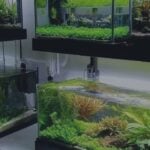
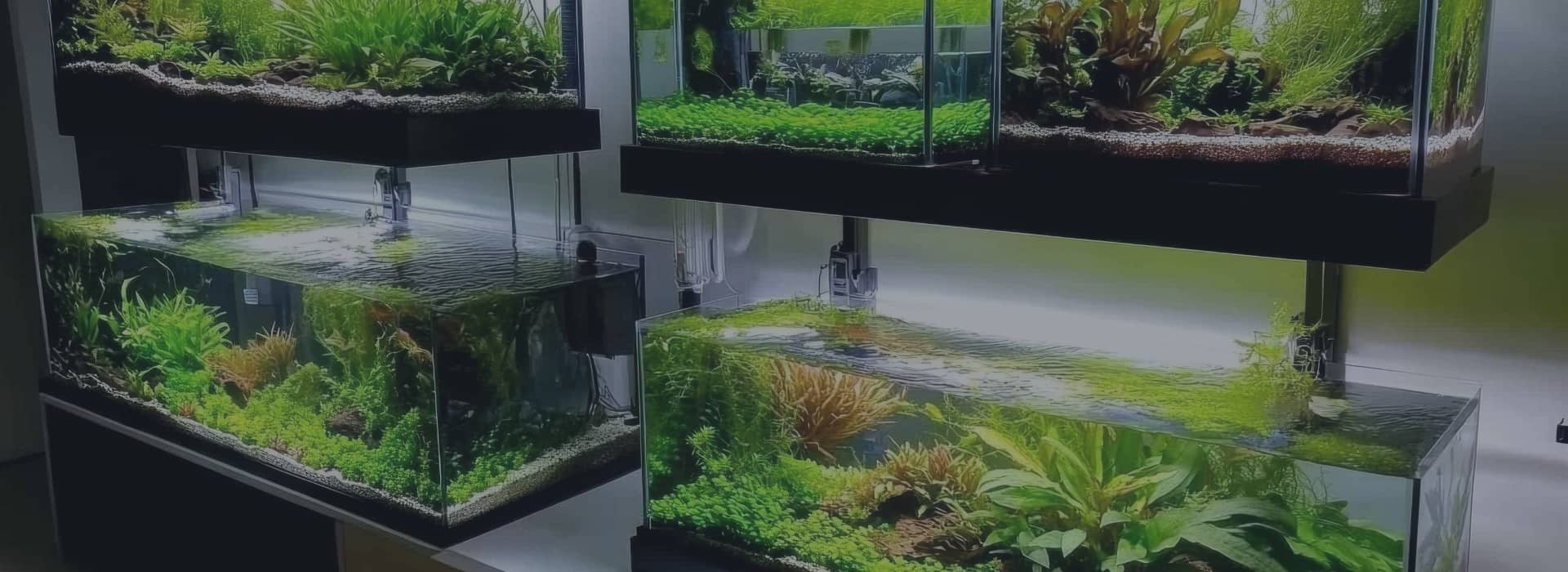
If you’ve ever wanted to bring the captivating beauty of underwater landscapes into your home or office without sacrificing a lot of space, then you’re in for a treat.
In this guide, we will take you on a journey through the fascinating world of Nano Aquascaping and show you how to build your very own small yet beautiful aquarium. We will explore the fundamental principles of Nano Aquascaping, including tank selection, equipment setup, substrate choices, plant selection, fish compatibility, and a lot more.
So, let’s dive right in.
What is Nano Aquascaping?
Nano Aquascaping refers to the art of designing and creating miniature aquatic ecosystems in small aquariums. It involves the meticulous arrangement of plants, rocks, driftwood, and other elements to create visually stunning underwater landscapes. The term “nano” refers to the aquarium’s small size, typically ranging from a few litres to around 30 litres. Despite their compact dimensions, nano aquascapes can be incredibly intricate and captivating, offering a unique opportunity to showcase the beauty of aquatic plants and the delicate balance of aquatic life. Nano Aquascaping is a blend of artistic expression, horticulture, and the science of aquarium keeping, resulting in mesmerising miniature worlds.
Planning Your Nano Aquascape
Creating a successful nano aquascape requires careful planning and consideration. By following a systematic approach, you can ensure that your miniature aquatic ecosystem does well. Here are some essential steps to help you plan your nano aquascape:
- Define Your Vision: Start by envisioning the type of aquascape you want to create. Do you prefer a lush, densely planted tank or a minimalist design with open space? Think about the theme, colour palette, and overall ambience you want to achieve.
- Tank Selection: Choose a nano aquarium that suits your available space and complements your desired aquascape style. Look for tanks with appropriate dimensions that are easy to work on.
- Research and Learn: Gain knowledge about the different plant and fish species suitable for nano tanks.
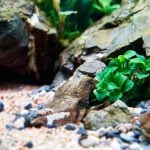
- Hardscape Design: Select appropriately shaped and sized rocks, driftwood, or other hardscape materials to create the foundation of your aquascape. Experiment with different arrangements to achieve a natural and visually appealing layout. Be careful to use them sparingly as it is easy to overcrowd a nano tank.
- Plant Selection: Choose aquatic plants that are well-suited for small aquariums. Look at factors such as their growth habits, lighting needs, and nutrient requirements. Opt for a variety of plant species to add depth and texture to your aquascape.
- Lighting and Filtration: Install appropriate lighting to support healthy plant growth. Use LED lights with adjustable intensity and colour spectrum. Select a filtration system that suits the size of your tank and provides efficient water circulation.
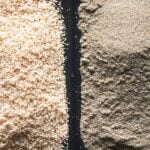
- Substrate and Fertilisation: Select a suitable substrate, such as aquasoil or gravel, to provide a nutrient-rich base for plant growth. The use of liquid or root fertilisers can further ensure adequate nutrition for your plants.
- Aquascaping Techniques: Utilise techniques like the rule of thirds, focal points, and depth perception to create an engaging and visually balanced aquascape. Experiment with different plant placements and heights to achieve the desired effect.
- Fish and Invertebrate Selection: Choose small fish species or invertebrates that are compatible with your selected plants and tank size. Ensure proper research on their behaviour, care requirements, and potential impact on the ecosystem.
- Maintenance and Care: Develop a regular maintenance routine that includes water changes, pruning plants, and monitoring water parameters. Ensure proper balance of nutrients, lighting duration, and CO2 supplementation if necessary.
Take your time, experiment, and enjoy the journey of creating a small but breath-taking aquatic world.
Best Plants For Nano Aquascapes
Here are some popular and suitable plants that can thrive in nano aquascapes:
- Java Moss (Taxiphyllum barbieri): A versatile and easy-to-grow plant that can be attached to rocks or driftwood. It provides a lush, green carpeting effect and serves as a hiding place for small fish and invertebrates.
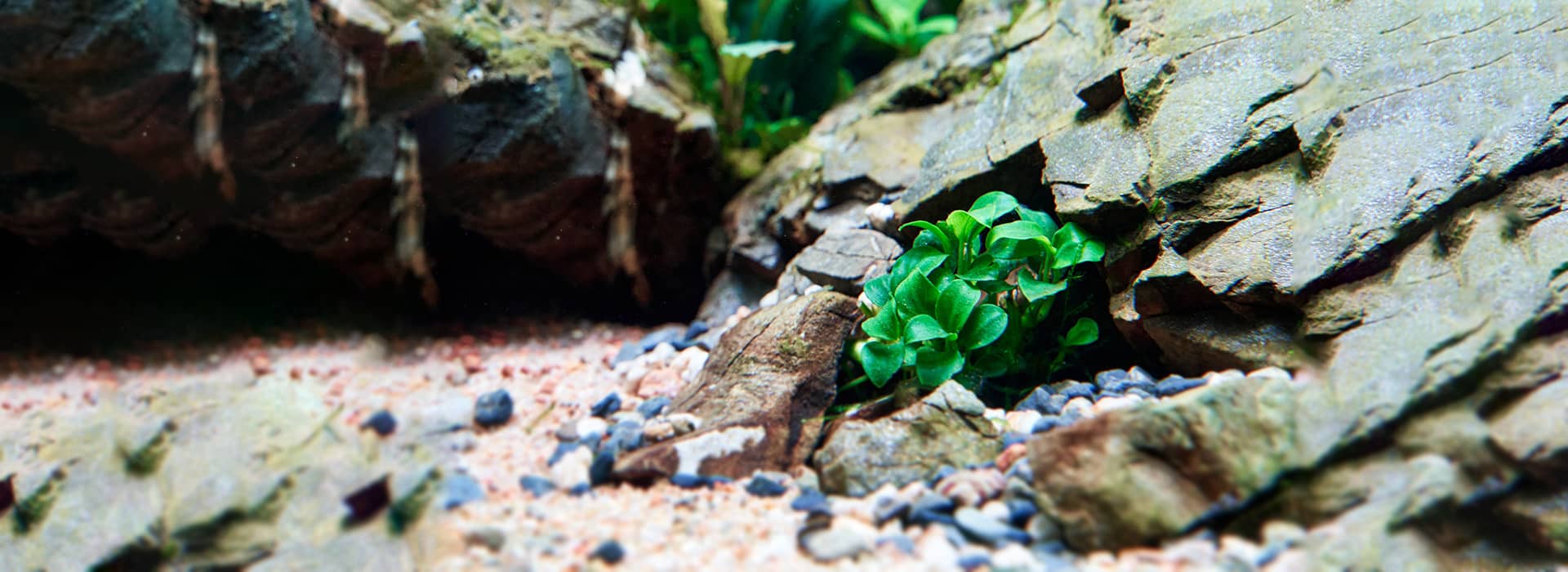
- Anubias (Anubias spp.): Hardy and slow-growing, Anubias plants are ideal for nano tanks. They can be attached to hardscape materials and add a touch of elegance with their dark green, broad leaves.
- Dwarf Hairgrass (Eleocharis parvula): This grass-like plant forms a dense carpet and creates a vibrant and natural-looking aquascape. It requires moderate lighting and nutrient-rich substrate for optimal growth.
- Java Fern (Microsorum pteropus): An undemanding plant with beautiful, broad leaves that provide a striking visual appeal. It can be attached to hardscape or left free-floating.
- Staurogyne repens: With its compact and bushy growth, Staurogyne repens is an excellent foreground plant for nano aquascapes. It forms dense clusters and adds depth and texture to the layout.
- Cryptocoryne parva: A small and compact plant with narrow leaves, Cryptocoryne parva is suitable for creating a lush carpeting effect. It is tolerant of a wide range of water conditions.
- Flame Moss (Taxiphyllum sp. ‘Flame’): This moss variety has a unique feathery appearance, resembling flames. It adds a touch of vibrancy and texture to the aquascape and can be attached to hardscape.
- Rotala sp. ‘Green’: A popular choice for adding vertical interest, Rotala sp. ‘Green’ features delicate, light green leaves and creates a sense of depth in the aquascape. It requires moderate to high lighting.
- Dwarf Sagittaria (Sagittaria subulata): This plant forms a grass-like carpet and creates a natural-looking foreground. It is relatively low-maintenance and can tolerate a range of lighting conditions.
- Marsilea hirsuta: Known as the “Four-leaf clover” plant, Marsilea hirsuta adds a unique texture to nano aquascapes. It has small, clover-shaped leaves and can be used as a foreground or midground plant.
There are many other options as well but these plants will give you a solid base to build your nano aquascape around.
Best Fish And Invertebrates For Nano Aquascapes
When selecting fish and invertebrates for your nano aquascape, the trick is to choose a few species that are easy to care for, stay small, but make a huge impact. Here are some popular choices that are suitable for nano aquascapes:
- Celestial Pearl Danio (Danio margaritatus): Also known as Galaxy Rasbora, these small and colourful fish are perfect for nano tanks. They have striking patterns and peaceful behaviour, making them a great choice for community setups.
- Chili Rasbora (Boraras brigittae): These tiny, vibrant red fish add a splash of colour to nano aquascapes. They are peaceful, schooling fish that do well in small groups.
- Endler’s Livebearer (Poecilia wingei): Endler’s Livebearers are small, active fish with beautiful colouration and fascinating patterns. They are hardy and do well in nano tanks, but keep in mind their breeding habits and potential population growth.
- Dwarf Corydoras (Corydoras habrosus, Corydoras pygmaeus): These small catfish species are suitable for nano tanks. They are peaceful bottom dwellers and help keep the substrate clean. Keep them in small groups for their well-being.
- Scarlet Badis (Dario dario): These striking and colourful fish have a peaceful temperament and are well-suited for nano aquascapes. They prefer densely planted tanks and need ample hiding spaces.
- Pygmy Gourami (Trichopsis pumila): These tiny labyrinth fish have vibrant colours and fascinating behaviour. They are suitable for nano tanks and can coexist with peaceful tankmates.
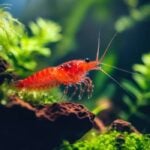
- Red Cherry Shrimp (Neocaridina heteropoda): These hardy and colourful shrimp are popular inhabitants of nano aquascapes. They are easy to care for, breed readily, and add a lively touch to the tank.
- Dwarf Mexican Crayfish (Cambarellus patzcuarensis): These small crayfish species can be kept in nano tanks. They are active and entertaining to watch but ensure that they don’t harm other tank inhabitants.
- Nerite Snails (Neritina spp.): These small, algae-eating snails are excellent additions to nano tanks. They help control algae growth and are compatible with various aquatic environments.
- Amano Shrimp (Caridina multidentata): These shrimp are known for their algae-eating abilities and peaceful nature. They are larger compared to Red Cherry Shrimp but can still thrive in nano tanks.
Carefully research the specific care requirements, behaviour, and tank compatibility of each species you choose. Just like the plants, do not overcrowd the tank with too many fish and invertebrates. ‘Less is more’ is the ideal approach here.
A step-by-step guide to setting up a nano aquarium
Setting up a nano aquarium can be an exciting and rewarding experience. Follow these step-by-step instructions to create the most stunning small tank.
- Research and Planning
- Determine the size and type of nano aquarium you want to set up. Consider available space, desired aesthetics, and the species you plan to keep.
- Research the care requirements, behaviour, and compatibility of fish, plants, and invertebrates suitable for nano tanks.
- Make a list of necessary equipment, including a tank, lighting, filtration system, substrate, and decorations.
- Gather Equipment and Materials
- Purchase or gather all the necessary equipment and materials based on your research and planning.
- Ensure you have a suitable tank with proper dimensions, lighting system, filtration system, heater (if needed), substrate, water conditioner, and any additional decor or hardscape materials.
- Prepare the Tank
- Clean the tank thoroughly using warm water. Avoid using soap or detergents as they can be harmful to fish and other aquatic life.
- Place the tank in a stable location, away from direct sunlight and temperature fluctuations.
- Install the filtration system and set up the heater (if required) according to the manufacturer’s instructions.
- Fill the tank with dechlorinated water, leaving enough space for the substrate and any hardscape materials.
- Add Substrate and Hardscape
- Carefully add the substrate of your choice to the tank. Ensure it is evenly distributed and levelled.
- Arrange the hardscape materials such as rocks, driftwood, or decorative items to create the desired layout. I like to choose one central piece with interesting features. Usually, this is all I need. You can add a couple of smaller complementary pieces. Make very wise use of the limited space available.
- Install Lighting
- Install the lighting system above the tank according to the manufacturer’s instructions.
- Choose a lighting duration suitable for the plants and inhabitants you plan to keep. Aim for a photoperiod of around 8-10 hours per day.
- Cycle the Tank
- Allow the tank to cycle before adding any fish or invertebrates. This process establishes beneficial bacteria that convert harmful substances like ammonia into less toxic compounds.
- Monitor water parameters regularly during the cycling process, ensuring ammonia and nitrite levels are at zero and nitrate levels are low.
- Introduce Plants
- Carefully introduce the chosen aquatic plants into the tank. Plant them securely in the substrate, considering their growth habits and spacing requirements. For plants that do not need a substrate, secure them in the desired place using aquarium-safe glue or fishing line.
- Ensure the plants receive adequate lighting and proper nutrient supplementation if needed.
- Add Fish and Invertebrates
- Once the tank is cycled and stable, introduce your chosen fish and invertebrates gradually.
- Acclimate the new inhabitants by floating their bags in the tank to equalise the temperature, then slowly add tank water to the bag over time before releasing them.
- Avoid overstocking the tank and choose compatible species to maintain a healthy and harmonious aquatic ecosystem.
Maintaining Your Nano Aquascape
One common misconception about nano tanks is that they are easier to care for than larger tanks. This isn’t necessarily true. A smaller tank is more prone to fluctuations in water parameters. As such, maintenance becomes very important. Here are some tips to help keep your nano aquascape healthy:
- Water Changes: Regular water changes are crucial for maintaining water quality. Aim for weekly water changes of around 20-30% of the tank volume. Use a siphon to remove debris and uneaten food from the substrate during water changes.
- Water Parameters: Monitor the water parameters regularly using a reliable test kit. Aim for stable parameters, including temperature, pH, ammonia, nitrite, and nitrate levels. Most nano aquascapes thrive in slightly acidic to neutral pH (6.5-7.5) and prefer low to moderate lighting.
- Lighting: Provide appropriate lighting for your plants. Most nano aquascapes do well with moderate lighting levels, typically around 0.5 to 1 watt per litre. Use a timer to maintain a consistent photoperiod of 8-10 hours per day to simulate a natural day-night cycle. It is very easy to provide too much light. Avoid this as it can lead to multiple issues including algae blooms.
- Nutrient Balance: Plants require essential nutrients to grow. Maintain the right balance to prevent algae outbreaks. Use a liquid fertiliser or root tabs to provide essential nutrients like nitrogen, phosphorus, and potassium. Adjust the dosing based on the plant’s growth and appearance.
- Pruning and Trimming: Regularly trim and prune the plants to maintain their shape and prevent overcrowding. Remove any dying or decaying plant material promptly to prevent the release of excess nutrients into the water.
- Algae Control: Algae can be a common issue in any aquarium. To control algae growth, maintain a proper balance of light, nutrients, and carbon dioxide (if injected). Use an algae scraper or toothbrush to remove algae from the glass and decorations. Introduce algae-eating organisms like shrimp or snails to help control algae naturally.
- Maintenance Tools: Keep essential tools handy, such as a net, siphon, algae scraper, scissors, and tweezers. These tools will aid in cleaning, planting, and rearranging.
- Stocking and Feeding: Keep an appropriate number of fish and invertebrates based on the tank’s size and compatibility. Avoid overfeeding, as excess food can contribute to water quality issues. Feed small amounts of high-quality fish food and consider occasional supplementation with live or frozen foods. A dozen small fish or 4-6 medium-sized fish is the number you should be aiming for.
- Observing and Adjusting: Regularly observe your aquascape for any signs of issues such as nutrient deficiencies, algae growth, or sick fish. Adjust your maintenance routine and nutrient dosing accordingly.
- Enjoy the Process: Lastly, enjoy the process of maintaining your nano aquascape. Experiment with different plants, hardscape arrangements, and aquascaping techniques to create something personal and unique.
Remember that each aquascape is different, and you may need to adapt these guidelines based on your setup and the needs of your plants and animals. Stay consistent with maintenance routines, be patient, and you’ll have a thriving and visually stunning nano aquascape.
Troubleshooting Common Issues in Nano Aquascapes
Nano aquascapes can face a variety of common issues that may affect the health and appearance of the aquarium. Here are some troubleshooting tips for addressing these problems:
- Algae Overgrowth:
Algae is a common issue in aquariums, including nano aquascapes. To address algae overgrowth, take the following steps:- Adjust lighting: Reduce the duration or intensity of lighting if it’s too high.
- Nutrient balance: Ensure the nutrient levels are balanced. Reduce fertilisation if excessive nutrients are promoting algae growth.
- Carbon dioxide (CO2): If injecting CO2, ensure it is properly balanced. Inconsistent or excessive CO2 can promote algae growth.
- Algae eaters: Introduce algae-eating organisms like shrimp or snails to help control algae naturally.
- Poor Plant Growth:
If you notice slow or stunted plant growth, check the following:- Lighting: Check if the lighting intensity or duration is sufficient for the plants. Adjust as needed.
- Nutrients: Ensure the plants are receiving adequate nutrients. Use liquid fertilisers or root tabs to supplement essential nutrients.
- Carbon dioxide (CO2): Add CO2 injection if plants show signs of carbon deficiency, such as pale leaves or slow growth.
- Substrate and water quality: Ensure the substrate is nutrient-rich and carry out regular water changes to maintain water quality.
- Yellowing or Dying Leaves:
Yellowing or dying leaves can indicate various issues:- Nutrient deficiency: Check for specific nutrient deficiencies (e.g., nitrogen, potassium) and adjust fertilisation accordingly.
- Lighting: Ensure the lighting intensity is appropriate for the plants. Too much or too little light can cause leaf yellowing.
- Carbon dioxide (CO2): CO2 injection can help if plants show signs of carbon deficiency. This is usually the case with demanding plants.
- Water parameters: Check the water parameters, especially pH and hardness, as extreme values can affect plant health.
- Cloudy Water:
Cloudy water is often a sign of bacterial or organic buildup. To address it:- Check filtration: Ensure the filter is working properly and clean or replace half of the filter media if necessary.
- Water changes: Increase the frequency of water changes to improve water quality and remove organic matter.
- Avoid overfeeding: Overfeeding can contribute to organic waste buildup. Feed the appropriate amount of food to avoid excess waste.
- Sick or Stressed Fish:
If your fish appear sick or stressed, check the following:- Water parameters: Test the water quality for any parameters that could be stressing the fish (e.g., high ammonia or nitrite levels).
- Temperature: Ensure the water temperature is appropriate for the fish species.
- Compatibility: Check if the fish are compatible and not experiencing aggression or overcrowding.
- Disease: Observe the fish for signs of disease or parasites. Quarantine affected fish and treat accordingly.
Make any necessary adjustments gradually and monitor the impact on your aquascape. Consulting with experienced aquarists or seeking advice from a local fish store can also be helpful in identifying and resolving specific issues.
Enhancing the Aesthetics of Your Nano Aquascape
By using various elements and design principles, you can elevate the visual appeal of your aquascape. Here are some of them:
- Using Foreground Plants for Added Dimension:
Foreground plants play a crucial role in adding depth and dimension to your aquascape. By placing smaller plants in the front of the tank, you create a sense of perspective and draw the viewer’s eye into the scene. Use carpeting plants like dwarf hairgrass, glossostigma, or Monte Carlo to create a lush carpet effect. These plants not only provide a beautiful foreground, but they also serve as a contrast to the taller plants in the background, creating a dynamic composition. - Utilising Small-Scale Decorations and Ornaments:
choose decorations and ornaments that are appropriately sized for the tank. Opt for small-scale rocks, driftwood, or intricate ornaments that complement the overall scale of the aquarium. These elements can serve as focal points. Arrange them strategically to create natural-looking structures or pathways that lead the viewer’s gaze through the tank. - Creating Focal Points:
Focal points are key areas in your aquascape that draw attention and create visual impact. You can achieve this by using plants or ornaments that stand out from the rest of the composition. For instance, you could place a vibrant and eye-catching plant in the centre or off to one side of the tank. Use plants with contrasting colours or unique leaf shapes to create focal points that immediately catch the viewer’s eye. You can also use interesting looking pieces if rocks or driftwood. - Visual Focal Lines:
Visual focal lines are imaginary lines that guide the viewer’s gaze and create a sense of flow within the aquascape. By strategically placing plants, decorations, or even arranging the substrate in a particular pattern, you can establish visual focal lines. For example, you could create a line by arranging plants in a diagonal pattern from one corner of the tank to the opposite corner. This helps guide the viewer’s eyes along the line, enhancing the overall aesthetics of the aquascape.
- The Rule of Thirds:
The rule of thirds is a compositional guideline that divides the tank into nine equal parts using two vertical and two horizontal lines, resulting in a grid. By placing key elements of the aquascape along these lines or at their intersections, the rule of thirds helps create a visually pleasing and balanced arrangement. This technique enhances the overall aesthetics and creates a sense of harmony by avoiding centring the focal point and encouraging a more dynamic and engaging composition within the limited space of a nano aquarium.
Balance and harmony are crucial in aquascaping. Regular maintenance, trimming, and adjustments will ensure that your aquascape continues evolving and improving. Enjoy the process and let your creativity flow.
Advanced Techniques and Experimental Nano Aquascapes
As the art of aquascaping evolves, so do the techniques and experimental approaches to nano aquariums. Advanced techniques push the boundaries of creativity and offer aquarists new ways to create stunning underwater landscapes. Here are some areas of focus within advanced nano aquascaping:
- CO2 Injection and Fertilisation:
CO2 injection and fertilisation play a crucial role in promoting healthy plant growth in nano aquascapes. While it may be challenging to maintain a stable CO2 concentration in a smaller tank, it is possible with careful monitoring. Using a pressurized CO2 system or liquid carbon supplements can help provide the necessary carbon for plants. Additionally, dosing with a comprehensive liquid fertiliser or using specialised root tabs can ensure a balanced nutrient supply in the limited space of a nano aquarium. Fine-tuning these factors is essential to prevent algae outbreaks and achieve optimal plant growth.
- Dutch-style and Iwagumi Nano Aquascapes:
The Dutch-style and Iwagumi aquascaping styles, known for their meticulous layouts and attention to detail, have been adapted to nano aquariums with impressive results. Dutch-style nano aquascapes feature lush plant arrangements with contrasting leaf shapes, textures, and colours, often utilising intricate foreground carpets and midground plant groupings. Iwagumi nano aquascapes, on the other hand, focus on simplicity and minimalism, with carefully placed rocks and a carpeting foreground plant species like dwarf hairgrass or Monte Carlo. Both styles require precision and patience, but when executed successfully, they can create stunning nano aquascapes. - Innovations and Trends in Nano Aquascaping:
The world of nano aquascaping is constantly evolving, and new innovations and trends emerge regularly. Some recent developments include:- Nano-specific equipment: Manufacturers have introduced specialised equipment tailored to the needs of nano aquascapes. These include compact LED lights, hang-on-back filters designed for smaller tanks, and nano-specific CO2 diffusers.
- Aquascaping contests and competitions: Nano aquascaping contests have gained popularity, encouraging aquarists to showcase their creativity within the limitations of a smaller tank. These contests often push the boundaries of design and inspire new trends. You can attend such contests to learn about the latest trends and to gain inspiration.
- Aquascaping materials and techniques: Aquarists experiment with unconventional materials and techniques to create unique nano aquascapes. Examples include using alternative substrates like volcanic soil, incorporating moss walls or moss art, and experimenting with unconventional hardscape materials like lava rock or bonsai driftwood.
- Emphasis on biotope and naturalistic setups: Many aquarists are embracing biotope aquascaping in nano tanks, replicating specific natural habitats like riverbanks, forest streams, or mountain streams. These setups aim to recreate a miniaturized version of a natural ecosystem, including the appropriate flora, fauna, and environmental conditions.
Learning from experienced aquascapers, attending workshops or conferences, and participating in online forums or social media groups dedicated to aquascaping can provide valuable insights and guidance if you looking for something more challenging.
FAQ
What are the benefits of a nano aquascape?
Nano aquascapes offer several advantages, including their compact size, which makes them suitable for small spaces and lower budgets. Maintenance isn’t as labour intensive as it would be for a larger tank although, the maintenance frequency is higher. These aquascapes offer a great opportunity to explore different techniques and experiment with layouts and design styles.
How do I start building a nano aquascape?
To start building a nano aquascape, you’ll need an aquarium tank, substrate, hardscape materials (such as rocks or driftwood), aquatic plants, and appropriate lighting and filtration equipment. Begin by planning your layout and selecting the desired plants and hardscape elements.
What types of plants are suitable for a nano aquascape?
Many aquatic plants can thrive in a nano aquascape. Some popular choices include carpeting plants like dwarf hairgrass or Monte Carlo, stem plants like Rotala sp. or Ludwigia sp., and mosses like Java moss or Christmas moss.
How do I choose the right lighting for my nano aquascape?
The lighting requirements for a nano aquascape depend on the plant species you intend to keep. Most nano aquascapes do well with moderate lighting levels, typically around 0.5 to 1 watt per litre. LED lights specifically designed for small planted aquariums are the ideal choice.
Do I need to inject CO2 in my nano aquascape?
CO2 injection is not always necessary for a nano aquascape, especially if you choose low to moderate light plants. However, if you have demanding plants or desire faster growth, CO2 injection can be beneficial.
Q9: How do I prevent algae growth in my nano aquascape?
Algae growth can be controlled by maintaining a proper balance of lighting, nutrients, and CO2 (if injected). Avoid overfeeding and remove any excess food or decaying plant matter promptly. Introduce algae-eating organisms like shrimp or snails to help control algae naturally.
Conclusion
Building a small yet beautiful nano aquascape is exciting and rewarding. By following the proper steps and considerations, you can create a captivating underwater world that brings beauty and tranquillity to your space without taking too much of it. From selecting the right plants and hardscape materials to maintaining water quality and balancing lighting and nutrients, each aspect contributes to the overall success of your aquascape.
Building a nano aquascape is an ongoing process. As you gain experience and knowledge, you can experiment with advanced techniques and explore new trends in the world of aquascaping. Embrace the creativity and artistry that aquascaping offers, and don’t be afraid to think outside the box.
Regular observation, adjustments, and occasional modifications will allow your aquascape to evolve and mature into a stunning display of nature’s beauty.
Enjoy the journey of building and maintaining your nano aquascape. Take pride in your creation and find inspiration in the breath-taking underwater landscapes aquascaping enthusiasts worldwide continue to create. Whether you are a beginner or an experienced aquarist, the world of nano aquascaping offers endless possibilities for expressing your creativity and creating a small yet remarkable piece of aquatic art.