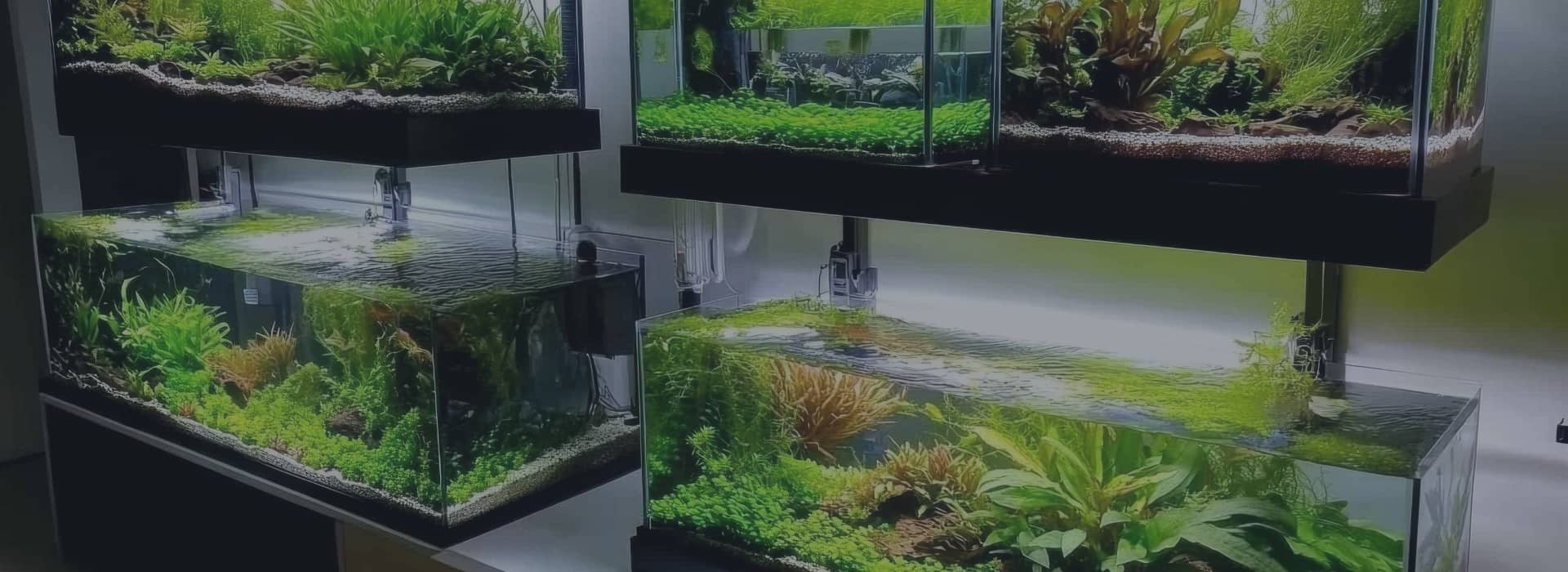
When it comes to setting up a fish tank, one of the most common questions is, “How many fish can I put in my small fish tank?” The answer isn’t as simple as you might think. You must consider several factors, such as the size of your tank, type of fish, fish behavior and maintenance requirements, before deciding how many fish you should have.
In this article, we will explore these key elements so that you can decide how many fish are suitable for your small aquarium.
Tank Size
In selecting the right size for a fish tank, there are several factors that you’ll need to take into account. The first is the type of fish you plan on keeping in your tank. Different types of fish require different amounts of space and water parameters to thrive.
For example, larger species, such as cichlids, need more room than smaller species, like guppies or tetras. Do your homework and research the specific needs of each type of fish before deciding how many can fit in your tank.
Another factor to consider when calculating tank size is filtration capacity. This will determine how much waste can be removed from your aquarium.
Without sufficient filtration, an ammonia spike or other harmful chemical imbalances can occur in the water column, which could harm your aquatic life over time. To maintain the health of your aquatic life, it’s important to address this through regular maintenance and testing procedures.
I would recommend using a filter that is at least twice as powerful as what would typically be required for the tank size in order to keep the aquarium clean and healthy.
This ensures that organic matter is efficiently broken down by beneficial bacteria, preventing the buildup of harmful pollutants that could harm your aquatic inhabitants.
Proper filtration is critical to maintaining a healthy environment for your fish and other aquatic life.
Fish Types
When it comes to setting up an aquarium, one of the most important decisions you’ll make is choosing the right fish for your tank. A well-stocked tank not only looks beautiful but also creates a balanced and healthy ecosystem for your aquatic inhabitants. This guide will help you navigate the different factors to consider when selecting fish for your aquarium.
Compatibility
Different types of fish have different needs and requirements, and when it comes to tank mates, it’s essential to research the type of fish you want before adding them to your tank. Consider each species’ size, temperament, and dietary needs to ensure they can coexist peacefully.
Behavior
Consider the behavior of the fish, whether they are aggressive or passive. Aggressive fish may attack or harass other fish in the tank, while passive fish tend to be more docile and less likely to cause trouble. Knowing the behavior of each species will help you create a balanced and harmonious environment for all inhabitants in your aquarium.
Temperature
Temperature is also important to consider when selecting fish for your tank. Each species has its own preferred temperature range, and ensuring that all fish in the tank can tolerate similar temperature ranges is crucial for the health and well-being of all inhabitants. Properly researching the temperature needs of each species is essential to creating a thriving and well-balanced aquarium.
Full Adult Size
When determining the number of fish you can keep in a fish tank, several crucial elements must be taken into account. These include the tank’s size, the type of fish, and water quality.
To ensure your fish’s well-being, it’s recommended to provide one gallon (3.785 liters) of water per one inch (2.54 cm) of fish. So, for example, if you have a 20-gallon (75.7 liters) tank, it’s recommended to have fish that add up to no more than 20 inches (50.8 cm) in length.
Keep in mind that not all fish have the same bio-load, which refers to the amount of waste they produce. Some fish generate more waste than others, so consider this when deciding the number of fish that can be housed in your tank. Additionally, the size of the filter, the presence of live plants, and the frequency of water changes also impact water quality and determine the number of fish your tank can sustain.
When selecting fish for your aquarium, take into account the species’ adult size. Some fish, such as cichlids or plecos, can grow significantly large and may eventually outgrow your tank. Research the adult size of the fish you’re interested in and compare it to the size of your tank.
Make sure that your tank can accommodate the fish at their full adult size to avoid potential health issues and the need to rehome them. Also, if you’re planning to upgrade your tank in the future, take this into account and plan accordingly to avoid overstocking.
I recall my own experience with a small fish tank setup. I bought a few mollies and listened to the aquarium store who advised to keep the numbers of fish down to ensure their quality of life. However, they went ahead and bred like wildfire, making it challenging to keep up with them. I had to purchase more tanks and give fish away! This highlights the importance of being aware of fish breeding and perhaps trying to get the same sex to start with.
When I first got Bluey, my Betta fish, I was careful to do my research and provide him with a suitable home. I placed him in a 20-gallon tank (75.7 liters) with a school of neon tetras and a siamese algae eater named Gonzo. The tank was the ideal size for Bluey to swim around, and he got along well with his tankmates.
A common misconception is that Bettas can be kept in small tanks, similar to the ones you see them in at pet stores. These tanks are only used for display purposes and are not suitable for the long-term health and well-being of the fish. Bettas are active swimmers and need ample space to move around. To ensure the longevity and happiness of your Betta fish, it’s essential to provide them with an adequately-sized tank.
Maintenance Requirements
It’s a common misconception that owning a small fish tank with a small number of fish means less maintenance is required. However, the opposite is often true. Maintaining a healthy aquarium environment requires more than just feeding your fish and changing the water occasionally. It’s important to understand the different maintenance requirements for different types of equipment and how to keep your tank clean and safe for your aquatic inhabitants.
Filtration Systems
Filtration systems play a vital role in removing debris, uneaten food, and other pollutants from the water. Several types of filtration systems are available, including mechanical, chemical, and biological. Each type serves a different purpose, and it’s essential to understand how they work and how to maintain them properly.
Water Changes and Cleaning Schedule
Regular water changes are possibly the most important part of the aquarium hobby. They keep the tank clean and healthy, and it’s important to understand the right schedule for your tank. I would recommend doing partial water changes at least once every two weeks (I do mine every week), with 25-50% of the total volume being changed each time. People might disagree with that schedule and believe you only need to change 10-25%, but after a lot of trial and error, I find big water changes work for me. Sometimes I’ll even go up to 75%!
Additionally, regular cleaning of decorations, gravel vacuuming, and algae scrubbing are important to maintain good hygiene standards in your aquarium.
Proper maintenance is crucial to maintaining a healthy and safe environment for your aquatic inhabitants. Understanding the different equipment types and maintenance requirements is an important step in achieving a successful aquarium. Regular water changes and cleaning schedules, along with proper filtration and understanding the behavior of the fish, are all important to keep the tank clean and healthy.
Fish Behavior
Fish behavior is quite critical to consider when setting up a successful aquarium. Territoriality and aggression between different species of fish can cause stress levels to rise, resulting in poor health or even death. Again, research the types of fish you plan on keeping together and ensure they are compatible with each other before adding them to your tank.
Aggressive fish should not be kept with passive ones, as this could lead to bullying or injury.
Feeding habits and diet requirements for each type of fish must also be taken into consideration when stocking an aquarium. Different species have different dietary needs, so it’s important to provide a balanced diet that meets all their nutritional requirements.
Overfeeding can lead to water pollution, which can harm the health of your fish, while underfeeding will result in malnutrition and stunted growth (sad to say, I’m a classic over-feeder!).
The number of fish you keep should always correspond with the size of your tank; if possible, leave some extra room for additional inhabitants in the future.
FAQs
How many fishes should be kept in a small aquarium?
Keeping no more than 1 inch (2.54cm) of adult fish per gallon (3.78 litres) of water in a small aquarium is generally recommended. This means that for a 10-gallon tank, you should not have more than 10 inches of fish. However, this number can vary depending on the size and type of fish you are keeping. For example, larger or aggressive species may require less space per individual due to their territorial nature. Research the specific needs of each species before stocking your tank so that it remains healthy and balanced.
Can 2 fish live in a 5-gallon tank?
The short answer is no. While keeping two fish in a 5-gallon tank is possible, it’s not recommended due to the limited space and water volume available. Fish need enough room to swim and explore and adequate filtration for their waste products. In such a small tank, there will be insufficient oxygen levels and an increased risk of disease or death from poor water quality. It’s best to only keep one smaller fish in a 5-gallon tank so that they have plenty of space and clean water conditions. (just make sure you don’t choose a schooling fish, they don’t like to be alone)
What happens if you put too many fish in a small tank?
If too many fish are put in a small tank, the water quality will quickly deteriorate due to an increase in waste and ammonia levels. This can lead to unhealthy living conditions for the fish, including oxygen deprivation, disease, and even death. Additionally, overcrowding can cause stress among the fish which can result in aggression or territorial behavior. Therefore it is important to ensure that your aquarium is properly sized for the number of fish you plan on keeping.
How many fish can I add to a tank at once?
The number of fish you can add to a tank at once depends on the size and type of fish, as well as the size of your tank. Generally speaking, it is best to introduce no more than one inch of adult fish per five gallons of water in your aquarium. Additionally, it is important to consider if the species are compatible with each other before adding them together. Introducing too many fish at once can lead to overcrowding and stress for all inhabitants in the tank, so take care when stocking your aquarium.
Conclusion
In conclusion, when considering how many fish can be put in a small fish tank, it is important to take into account the size of the tank, type of fish, maintenance requirements and behavior of the fish. The number of fish that can be safely housed in a small aquarium will depend on these factors. It is not recommended to overcrowd an aquarium as this could lead to stress and illness for your aquatic pets. Therefore, if you are wondering how many fish can I put in a small fish tank? it is best to research each species carefully before making any decisions.
If you are looking for a way to make your aquarium look beautiful, then aquascaping is the perfect solution! Aquascaping can help create an aesthetically pleasing environment that will also be suitable and safe for fish. But how many fish should you put in a small tank? This depends on several factors such as tank size, type of filtration system used, water quality parameters, and more. With so much to consider it’s important to get the right advice from experts before stocking up with too many fish or choosing unsuitable species for your particular setup. Get informed now by seeking out professional assistance – because when it comes to keeping healthy aquatic life happy in their home, there’s no room for error!