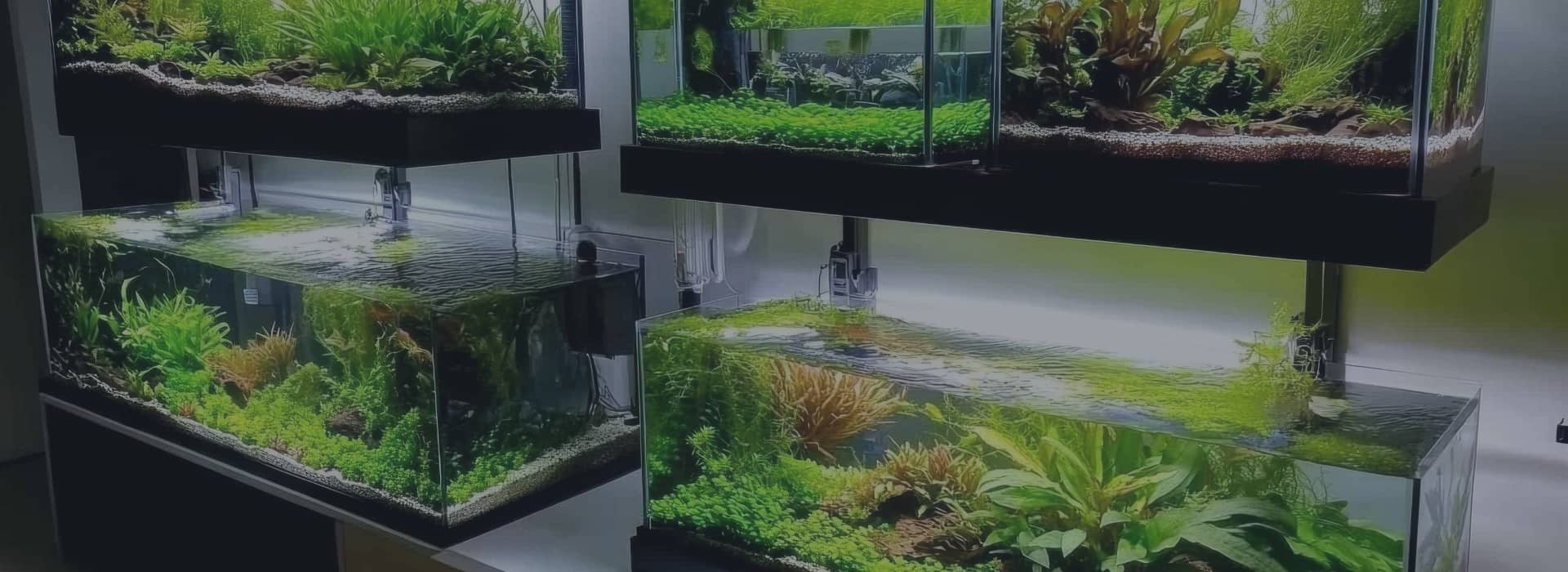
When I started with aquascaping, Anubias quickly became one of my favorites. These beautiful plants, with their lush green leaves, are also very strong, making them a great addition to your tank.
They thrive in a variety of conditions and are relatively low-maintenance, making them perfect for almost any setup. Let’s explore how to grow and care for these versatile plants.
Anubias Overview
Anubias is a genus of aquatic and semi-aquatic plants native to tropical regions of Africa. It is known for its broad, thick, dark green leaves and slow growth rate.
Anubias plants are particularly popular in aquariums due to their tolerance of a wide range of conditions and their ability to thrive in low-light environments.
Choosing the Right Anubias Species
There are several species of Anubias to choose from, each with its unique characteristics. Some of the most popular species include:
- Anubias barteri: Known for its versatility and larger leaf size.
- Anubias nana: A smaller variety that’s perfect for foreground placement.
- Anubias gigantea: As the name suggests, it’s one of the largest species and is suitable for larger tanks.
- Anubias coffeefolia: Features textured leaves with a distinct, crinkled appearance.
- Anubias hastifolia: Recognizable by its lance-shaped leaves, ideal for adding vertical interest.
Planting Your Anubias
In their natural habitat, Anubias typically grow attached to rocks or wood.
Preparing the Aquarium
Substrate: While Anubias can grow in various substrates, they don’t require nutrient-rich substrate as their roots primarily absorb nutrients from the water. They can be attached to rocks, driftwood, or decorations using a fishing line or cotton thread.
Lighting: Anubias species prefer low to moderate lighting. High-intensity light can cause algae growth on their leaves. Aim for 6-8 hours of light per day.
Water Parameters: Anubias are tolerant of a wide range of water conditions but thrive best in water with a pH of 6.0-7.5 and temperatures between 72-82°F (22-28°C).
Planting Anubias
Rhizome Placement: The key to growing Anubias successfully is to ensure the rhizome (horizontal stem) is not buried in the substrate. It should remain exposed to prevent rot. You can tie the rhizome to rocks, driftwood, or other decorations using fishing line or thread until it attaches naturally.
Avoid Crowding: Space the plants adequately to allow for growth and ensure good water circulation around the leaves and roots.
Maintenance
Fertilization
While Anubias don’t need heavy fertilization, occasional use of liquid fertilizers can promote healthy growth. Root tabs can also be used if planted in substrate.
Pruning
Regularly remove yellowing or damaged leaves to maintain the plant’s appearance and health. Trim excess growth to prevent the plant from overshadowing other plants.
Algae Control
Anubias leaves can be prone to algae growth, especially under high light. Maintain a proper light schedule, avoid overfeeding, and consider adding algae-eating fish or invertebrates to help control algae.
Water Changes
Perform regular water changes (25-50% weekly) to maintain water quality and provide a stable environment for your plants.
Propagation
Anubias can be easily propagated through division. When the plant matures, the rhizome will produce side shoots or new plantlets.
Carefully cut the rhizome, ensuring each section has at least a few leaves and roots. Reattach the new plants to rocks or driftwood and allow them to grow.
Pairing with Other Aquatic Plants
Pairing Anubias with other plants can create a visually appealing and biologically balanced aquascape. Here are some plants that complement Anubias well:
- Amazon Sword (Echinodorus spp.): With its tall, broad leaves, the Amazon Sword is a great background plant that contrasts well with the shorter Anubias.
- Java Fern (Microsorum pteropus): This plant shares similar care requirements with Anubias and can be attached to driftwood or rocks, making it an ideal companion.
- Hornwort (Ceratophyllum demersum): A fast-growing, floating plant that can provide shade and reduce algae growth, benefiting the Anubias below.
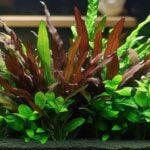
- Red Tiger Lotus (Nymphaea lotus ‘Red’): Its vibrant red leaves add a splash of color and contrast to the green hues of Anubias.
- Water Sprite (Ceratopteris thalictroides): This plant can be used as a floating plant or rooted in the substrate. Its delicate texture complements the sturdy leaves of Anubias.
- Water Wisteria (Hygrophila difformis): Known for its unique leaf shape, Water Wisteria provides a different texture and can grow tall, which works well behind Anubias.
- Vallisneria: A classic aquarium plant that forms dense, grass-like beds, offering a contrasting backdrop to the broad leaves of Anubias.
These plants not only match Anubias well aesthetically but also share similar water parameter requirements, making them practical choices for a harmonious aquascape.
Creating a Balanced Aquascape Aquarium
Creating a balanced plant layout in your aquarium is both an art and a science, blending aesthetic appeal with the biological needs of your aquatic plants and inhabitants. Here’s a brief guide to help you achieve a harmonious aquascape.
Start with a Plan
Before you begin planting, visualize the layout you want to achieve. Consider the size and shape of your aquarium, the type of plants you wish to include, and the needs of your fish. Sketching a rough design can be incredibly helpful.
Understand the Rule of Thirds
The Rule of Thirds is a principle used in photography and art that applies to aquascaping. Divide your tank visually into thirds, both horizontally and vertically, and place key elements at the intersections of these lines. This creates a more natural and pleasing composition.
Choose the Right Plants
Select a variety of plants that differ in height, color, and texture to create depth and contrast. Use taller plants like Vallisneria or stem plants in the background, mid-sized plants like large Anubias or Amazon Swords in the middle, and shorter plants like Cryptocorynes or mosses in the foreground.
Focus on Depth and Perspective
Place larger plants in the back and smaller ones in the front to create a sense of depth. To enhance the perspective, you can also use sloping substrate levels, with a gentle incline from front to back.
Create Focal Points
Focal points draw the eye and add interest. This could be a particularly striking plant, a piece of driftwood, or a distinctive rock formation. Position these focal points off-center for a more dynamic layout.
Group Plants Thoughtfully
Plant in groups rather than in straight lines to mimic the randomness of nature. Odd numbers of plants often look more natural than even numbers. Consider the growth patterns of your plants—some may spread out, while others grow tall.
Balance Open Space with Planting
Open areas are just as important as planted sections. They provide swimming space for fish and create a visual rest in the layout. Balance these open spaces with denser planting to avoid a cluttered or empty look.
Maintenance and Adjustment
As your plants grow, you’ll need to trim and adjust them to maintain the layout. Regular pruning keeps your plants healthy and helps preserve the balance and structure of your aquascape.
Frequently Asked Questions
How fast does Anubias grow?
Anubias are slow-growing plants. It’s normal for them to establish and start new growth for several weeks.
Can Anubias grow out of water?
Yes, Anubias can grow emersed (above water) as long as the roots remain submerged or in very humid conditions.
Does Anubias need CO2 supplementation?
Anubias does not require CO2 supplementation, but it can aid in promoting growth and preventing algae.
How do I prevent algae on Anubias leaves?
Ensure moderate lighting and consider adding algae-eating fish or snails to your tank.
Are Anubias suitable for low-tech tanks?
Absolutely. Anubias are perfect for low-tech tanks as they don’t require high light or CO2 injection. Their hardy nature makes them ideal for beginners.
Embracing the Beauty of Anubias in Your Aquarium
Anubias species are truly a gem in the world of planted aquariums. Their resilience and low maintenance make them a great addition for both novice and seasoned aquarists.
One of the joys of keeping Anubias is their versatility. Whether you attach them to driftwood or let them anchor among the rocks, they add a touch of natural beauty and elegance.
And with their slow growth rate, you won’t need to constantly trim or manage them, allowing you to enjoy their steady development.
Incorporating Anubias into your aquarium can create a lush, green haven for your fish and other aquatic creatures.
With a bit of attention and the right setup, these plants can flourish and become a central feature of your underwater landscape.