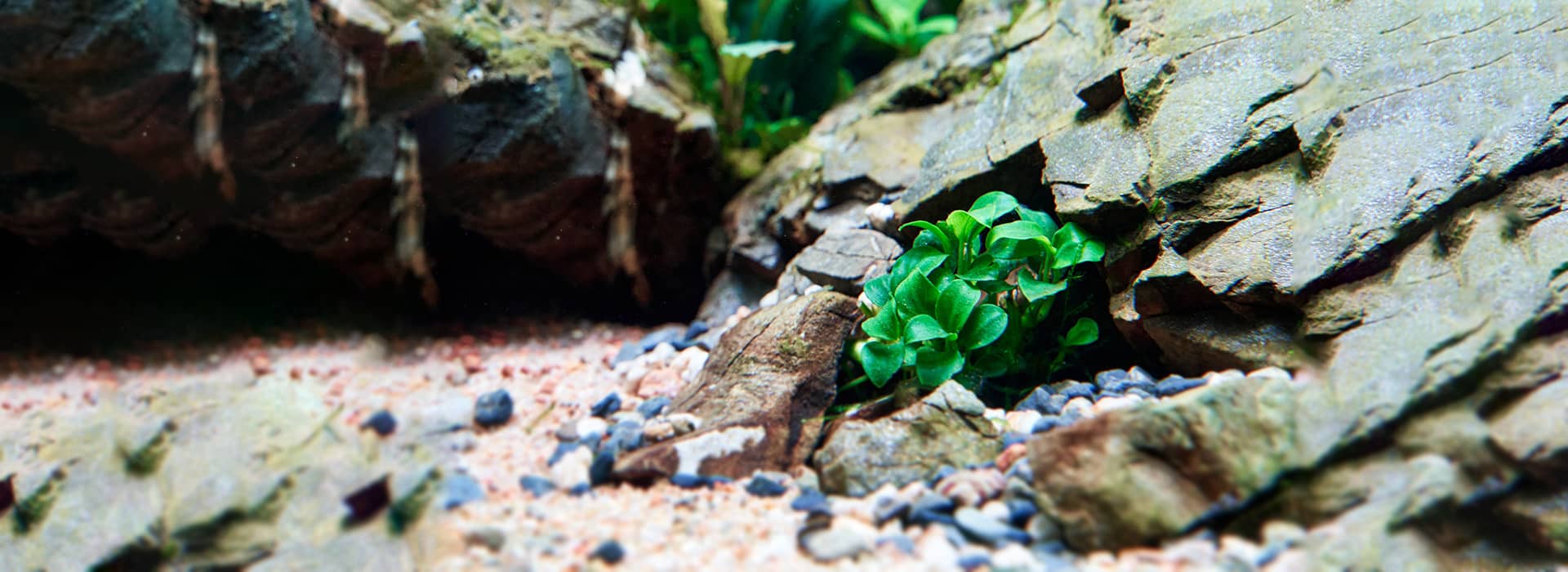
Fish tank stones and rocks can enhance the natural beauty of your aquarium, offer shelter for your fish, and help maintain the ecosystem within your tank.
Whether you’re an experienced aquarist or just starting, understanding the role and selection of these elements is vital for a thriving aquatic environment.
Let’s explore the various types of stones and rocks suitable for aquarium use, their benefits, and how to select and prepare them for your tank.
Types of Stones and Rocks for Aquariums
River Rocks
Smoothed by the constant flow of water, river rocks are typically rounded and come in a variety of sizes and colours. They are a popular choice for creating a natural riverbed look in aquariums.
Lava Rock
Known for their porous nature, lava rocks can host beneficial bacteria that aid in the nitrogen cycle, helping to keep the water clean.
Quartz
With its wide range of colours and resistance to weathering, quartz is a durable option that can add a vibrant touch to any aquarium.
Slate
Slate rocks can be stacked to create caves and ledges, providing hiding spots for fish and a unique layered appearance.
Dragon Stone
This type of rock is favoured for its dramatic, craggy appearance and is often used in aquascaping.
Seiryu Stone
This grey stone with white veins is another aquascaping star. It can slightly raise water hardness, so it’s best for tanks with species that prefer such conditions.
Petrified Wood
This fossilized stone adds a natural, ancient look to tanks. It’s generally safe but should be tested for leaching minerals.
Rainbow Rock
Bright and colourful, rainbow rock can liven up any setup.
Texas Holey Rock
Ideal for African Cichlid tanks, this limestone helps maintain a higher pH.
Onyx
A dark, striking stone that’s safe for most tanks, onyx can add a touch of elegance.
Zebra Rock
With its distinctive striped pattern, Zebra Rock is a conversation starter. It’s inert and safe for most aquarium setups.
Elephant Skin Stone
Known for its textured surface resembling elephant skin, this stone is pH-neutral and great for aquascaping.
Pagoda Stone
This layered rock is ideal for creating interesting landscapes in your tank. It’s inert and won’t affect water chemistry.
Cherry Blossom Stone
This pinkish-red rock adds a splash of colour and is safe for use in aquariums after proper cleaning.
Benefits of Using Stones and Rocks
Aesthetic Appeal
Stones and rocks contribute to the natural beauty of an aquarium, making it a focal point of any room.
Fish Health
Stones and rocks can reduce fish stress by mimicking a natural habitat, leading to healthier and more vibrant aquatic life.
Water Quality
Certain types of rocks can alter the water parameters, such as pH and hardness, to suit specific fish species.
Plant Growth
Rocks can provide plant anchor points, helping create a lush and stable planted environment.
Selecting Fish Stones and Rocks
When choosing stones and rocks for your aquarium, consider the following:
Compatibility
Ensure the rocks are safe for your specific type of fish and will not adversely affect the water chemistry.
Size and Shape
Select sizes and shapes that complement your tank’s layout and provide the desired look and functionality.
Authenticity
Opt for natural stones over artificial ones, as they are generally safer and more beneficial for the tank’s ecosystem.
Preparing Stones and Rocks
Before adding stones and rocks to your aquarium, it’s crucial to prepare them properly:
Clean Thoroughly
Rinse the rocks with clean water to remove dirt, debris, or potential contaminants.
Inspect for Sharp Edges
Smooth out any sharp edges to prevent injury to your fish.
Boil or Soak
Boiling or soaking the rocks can help eliminate harmful bacteria or parasites.
Tips When Adding Aquarium Stones
- Don’t overload your tank with heavy rocks to prevent the tank from cracking.
- Add some sand before putting in the rocks to avoid breaking the glass.
- Make sure the rocks are secure in the substrate.
Frequently Asked Questions
Can I use any rock I find outside in my fish tank?
Not all rocks are suitable for aquarium use. Some may contain harmful minerals or alter the water chemistry. Research or consult an expert before adding wild-collected rocks to your tank.
How often should I clean the rocks in my aquarium?
Clean your aquarium rocks during regular water changes, which should occur every two weeks to a month, depending on your tank’s needs.
Do I need to adjust my tank’s pH if I add limestone rocks?
Limestone can increase the pH and hardness of the water. If your fish requires specific water conditions, you may need to monitor and adjust the pH accordingly.
By incorporating suitable stones and rocks into your fish tank, you can create a thriving, visually stunning, and beneficial ecosystem for your aquatic pets. Remember to choose wisely, prepare them correctly, and enjoy your aquarium’s enhanced beauty and health.